



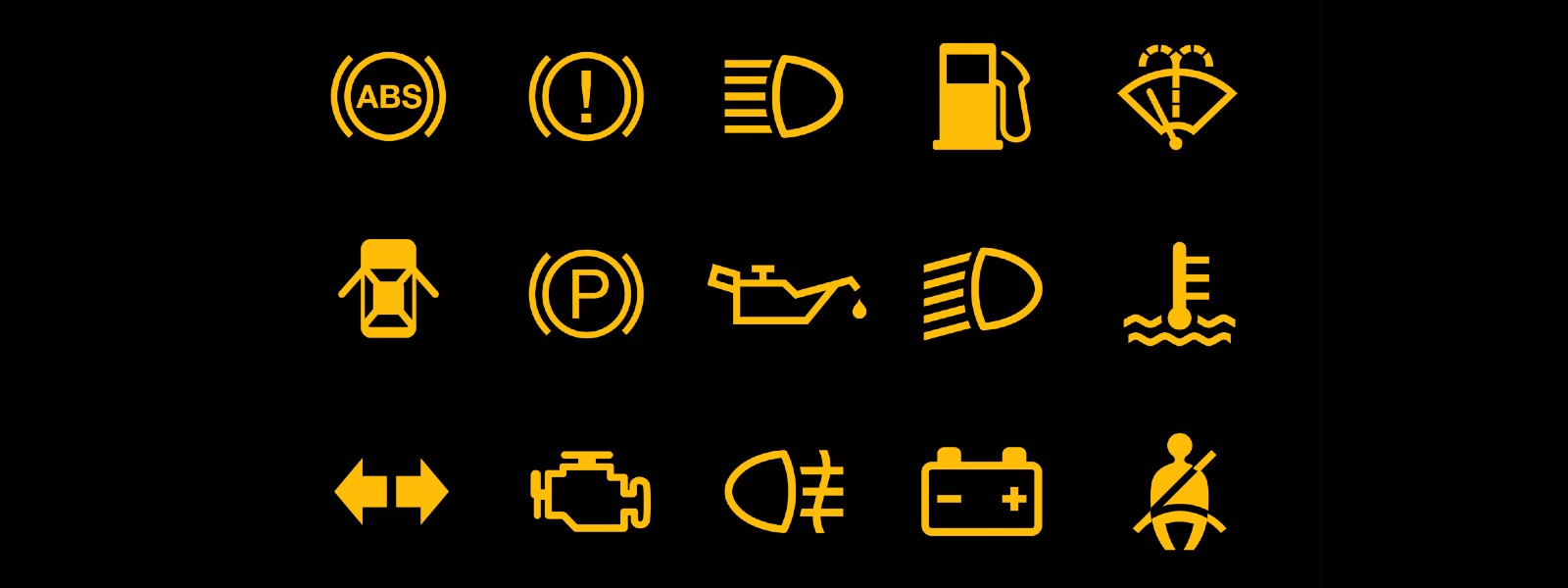
Your Chevy’s dashboard is basically a conversation between you and your vehicle. When a light pops on, it’s flagging something that needs your attention, whether that’s right now or sometime in the next few days. Knowing what those Chevy warning lights actually mean can be the difference between catching a small problem early and facing a major repair bill, or worse, getting stranded on the highway. If a light is already on while you’re reading this, you can schedule a diagnostic appointment with our team right away.
This guide covers the most common Chevy dashboard symbols and what they mean, so you can respond with confidence. We serve drivers throughout the Gulfport, MS area, and we want you walking into our service bay already informed.
What Chevy Dashboard Warning Light Colors Actually Mean
Before getting into individual symbols, understanding the color system makes everything else click. Chevy dashboard lights follow a traffic light logic, and once you internalize it, reading your dashboard becomes second nature.
- Red: Critical. Stop or pull over as soon as it’s safe
- Yellow/Orange: Caution. Service needed soon, but not necessarily an emergency
- Green/Blue: Informational. A system is active or ready, no problem indicated
- Gray: A system is in standby mode
The color shapes your first response. Red means pull over. Yellow means get it scheduled.
Chevy Warning Light Quick Reference
Use this table for a fast overview before diving into the detailed entries below. Keep in mind that some indicators vary by model year and trim, so always check your owner’s manual for vehicle-specific information.
| Symbol Name | Color | What It Means | Urgency / Action |
| Engine Oil Pressure | Red | Engine not receiving adequate oil flow; severe damage possible within minutes | Pull over immediately, turn off engine |
| Engine Coolant Temp | Red | Engine overheating; low coolant, failing fan, or thermostat issue | Pull over, do not open radiator cap while hot |
| Brake System | Red | Braking system malfunction; low fluid, leak, or ABS failure | Stop driving; tow if brakes feel soft |
| Battery/Charging | Red | Charging system failure; alternator or electrical issue | Turn off non-essentials, drive directly to service |
| Check Engine (MIL) | Yellow/Orange | Onboard diagnostic detected engine, emissions, or propulsion fault | Schedule service; flashing = severe misfire, tow immediately |
| TPMS | Yellow/Orange | One or more tires below recommended pressure | Check and inflate tires; if light persists, possible slow leak or faulty sensor |
| Transmission Temp / Turtle Icon | Yellow/Orange | Transmission overheating or reduced propulsion power | Reduce speed, avoid towing, schedule service soon |
| ABS | Amber/Yellow | ABS not functioning; standard brakes should still work | Diagnose promptly |
| Airbag (SRS) | Red or Amber | Airbag(s) may not deploy in a crash, or in rare cases could deploy unexpectedly; seat belt pretensioners may also fail to restrain properly | Schedule service immediately |
| Traction Control | Amber | System off or malfunctioning; reduced grip in slippery conditions | Schedule service soon |
| Super Cruise | Green light bar | Driver assistance system actively steering | Informational only |
Red Warning Lights: Stop or Pull Over as Soon as It’s Safe
Red dashboard warning lights are your vehicle’s most urgent signals. Something critical is compromised, and pushing through it could cause serious damage or create a real safety hazard.
Engine Oil Pressure Warning Light
This one looks like an old-fashioned oil can. It means oil pressure has dropped to a dangerously low level, and without adequate pressure, engine components aren’t being properly lubricated. Metal-on-metal contact can cause irreversible damage within minutes. Pull over as soon as it’s safe, shut the engine off, and check your oil level. If the oil looks fine, you may be dealing with a failing oil pump, which needs professional diagnosis before you drive another mile.
Engine Coolant Temperature Warning Light
Usually displayed as a thermometer submerged in liquid, this warning means your engine is overheating. Coolant loss, a broken thermostat, or a faulty radiator are the usual suspects. Left unaddressed, overheating can warp cylinder heads and lead to complete engine failure. Pull over, turn the engine off, and let it cool before checking coolant levels. Never open the radiator cap on a hot engine.
Brake System Warning Light
This light can mean your parking brake is still engaged, brake fluid is low, or there’s a malfunction somewhere in the braking system. If the parking brake isn’t the cause, don’t brush it off. Brakes are your primary safety system, and any compromise demands immediate attention. If braking feels spongy or unresponsive, pull over carefully and call for service.
Battery and Charging System Warning Light
Shaped like a battery, this indicator signals that your vehicle’s electrical system isn’t charging properly. A failing alternator, a dying battery, or a broken drive belt are common culprits. Your car depends on that charging system to keep everything running; ignoring this light could leave you stranded without much warning. Turn off non-essential electronics and drive directly to a service facility.
Yellow and Orange Warning Lights: Schedule Service Soon
Yellow and orange lights don’t require you to pull over immediately, but they do mean something needs attention in the near term. These are the lights drivers sometimes dismiss for weeks, and that’s typically when small problems turn into expensive ones.
Check Engine Light (Malfunction Indicator Lamp)
The MIL can represent anything from a loose gas cap to a misfiring cylinder. A steady light typically points to a non-urgent issue with the engine or emissions system. A flashing check engine light is a different story; it indicates an active engine misfire that can damage your catalytic converter, so that warrants immediate action. Either way, don’t let it sit. A diagnostic scan will pinpoint the exact fault code triggering the alert.
Tire Pressure Monitoring System (TPMS) Light
That horseshoe-shaped symbol with an exclamation point inside means one or more tires is significantly underinflated. Low tire pressure affects fuel efficiency, handling, and braking, and it causes tires to wear out faster than they should.
Check all four tires with a gauge and inflate them to the recommended PSI listed on the sticker inside your driver’s door jamb, not the maximum pressure printed on the tire sidewall. If the TPMS light stays on after inflating, the sensor may need to be reset or replaced.
Transmission Temperature and Other Amber Alerts
A transmission temperature alert means your transmission fluid is running hotter than it should, which can happen during heavy towing or prolonged stop-and-go traffic in extreme heat. The turtle icon is a separate issue; it means your vehicle has entered reduced propulsion mode, limiting power output to protect the drivetrain. Reduce speed, avoid towing, and get it into service soon.
Other common amber indicators include low fuel warnings, service reminders, and stability system alerts. None are emergencies, but staying on top of them keeps minor issues from escalating.
Safety System Warning Lights: What ABS, Airbag, and Traction Control Symbols Mean
Safety system lights deserve their own section because they affect how your vehicle protects you in an emergency. ABS, SRS, and ESC systems all affect crashworthiness and require certified technician service, so these should be evaluated by our service department at Turan-Foley Chevrolet Buick.
The ABS light means a sensor or module has detected a fault in the anti-lock braking system. Your regular brakes will still function, but the feature that prevents wheel lockup during hard stops may not engage. That distinction matters quite a bit on wet or icy roads.
The airbag readiness light, labeled SRS, indicates a potential fault in the supplemental restraint system. It doesn’t mean the airbag will deploy unexpectedly in most cases, but the system may not deploy correctly in a collision – and in rare cases, a fault could cause unexpected deployment. Seat belt pretensioners may also be unable to restrain properly on impact. Get it diagnosed promptly.
The traction control and ESC lights work a bit differently. A brief flash of the StabiliTrak icon (which shows a car with squiggly lines behind it) typically means the system is actively correcting for traction loss, which is normal operation. A light that stays on usually means the system has been disabled or has a fault. If stability control turns off without you disabling it manually, have it checked before you end up in conditions where you’ll actually need it.
Informational Indicator Lights: Nothing to Worry About
Not every light on your dashboard is a warning. Many are simply notifications telling you something is active or operating normally. Turn signal indicators, high beam notifications, cruise control status, and eco mode lights all fall into this category.
The low fuel indicator sits somewhere in the middle. Not an emergency, but it means find a gas station soon. Door ajar and trunk open indicators are similarly straightforward reminders. Getting familiar with these informational lights helps you quickly separate routine notifications from the ones that actually need action.
What to Do When a Warning Light Comes On in Your Chevy
Seeing a light appear on your dashboard can be startling. Having a clear plan keeps the situation manageable.
For a red warning light, pull over somewhere safe and turn off the engine. Figure out whether you can identify the cause, such as low oil or an engaged parking brake, or whether you need to call for roadside assistance. Don’t keep driving and hope it clears on its own.
For yellow or orange warning lights, you generally have time to drive carefully to your destination, but schedule service soon rather than putting it off. Your owner’s manual is a solid first resource for identifying specific symbols. Chevy vehicles also display brief descriptions of many dashboard warning lights in the Driver Information Center, the display screen between your gauges.
If a light appears and then disappears quickly, it may have been triggered by a brief system fluctuation. If it returns, treat it the same as a persistent light. Our team can perform a professional OBD diagnostic scan to retrieve the exact fault codes stored in your vehicle’s system. Schedule service online to get the process started before your appointment.
Schedule Service at Turan-Foley Chevrolet in Gulfport When a Light Stays On
Why Certified Diagnostics Matter
When a warning light’s meaning isn’t clear, or when a warning persists after you’ve addressed the obvious cause, it’s time to bring your vehicle to technicians who know these trucks and cars inside and out. Our certified team at Turan-Foley Chevrolet Buick uses professional GM diagnostic equipment to identify root causes, not just clear codes.
Book Your Appointment
Ignoring dashboard warning lights is never the right call. When our Gulfport service team is nearby, staying ahead of problems is straightforward. Contact us or schedule your service appointment today and get the peace of mind that comes with knowing exactly what’s going on with your vehicle.
Connect with us


- June 2026
- May 2026
- April 2026
- March 2026
- February 2026
- January 2026
- December 2025
- November 2025
- October 2025
- September 2025
- August 2025
- July 2025
- June 2025
- May 2025
- April 2025
- March 2025
- February 2025
- December 2024
- November 2024
- September 2024
- August 2024
- July 2024
- June 2024
- April 2024
- February 2024
- January 2024