
Blog / Chevy Guide

Blog

All Chevy Guide New Inventory Local Comparison Technology Finance Green Silverado 1500 Pre-Owned Inventory News Gulfport Chevrolet Dealer Parts People Silverado HD Community Events Service Social Blazer Colorado Gulfport Chevrolet Service
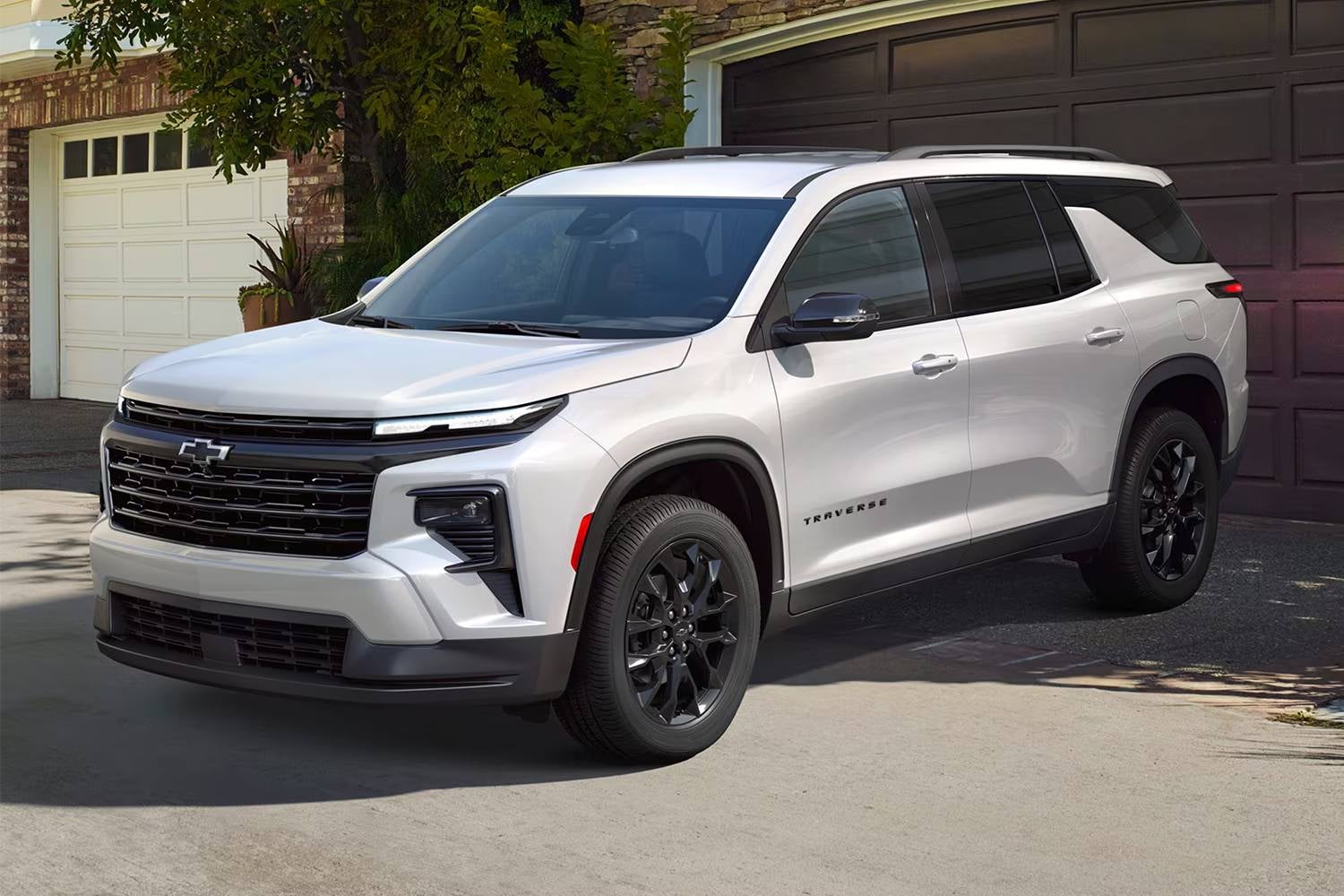
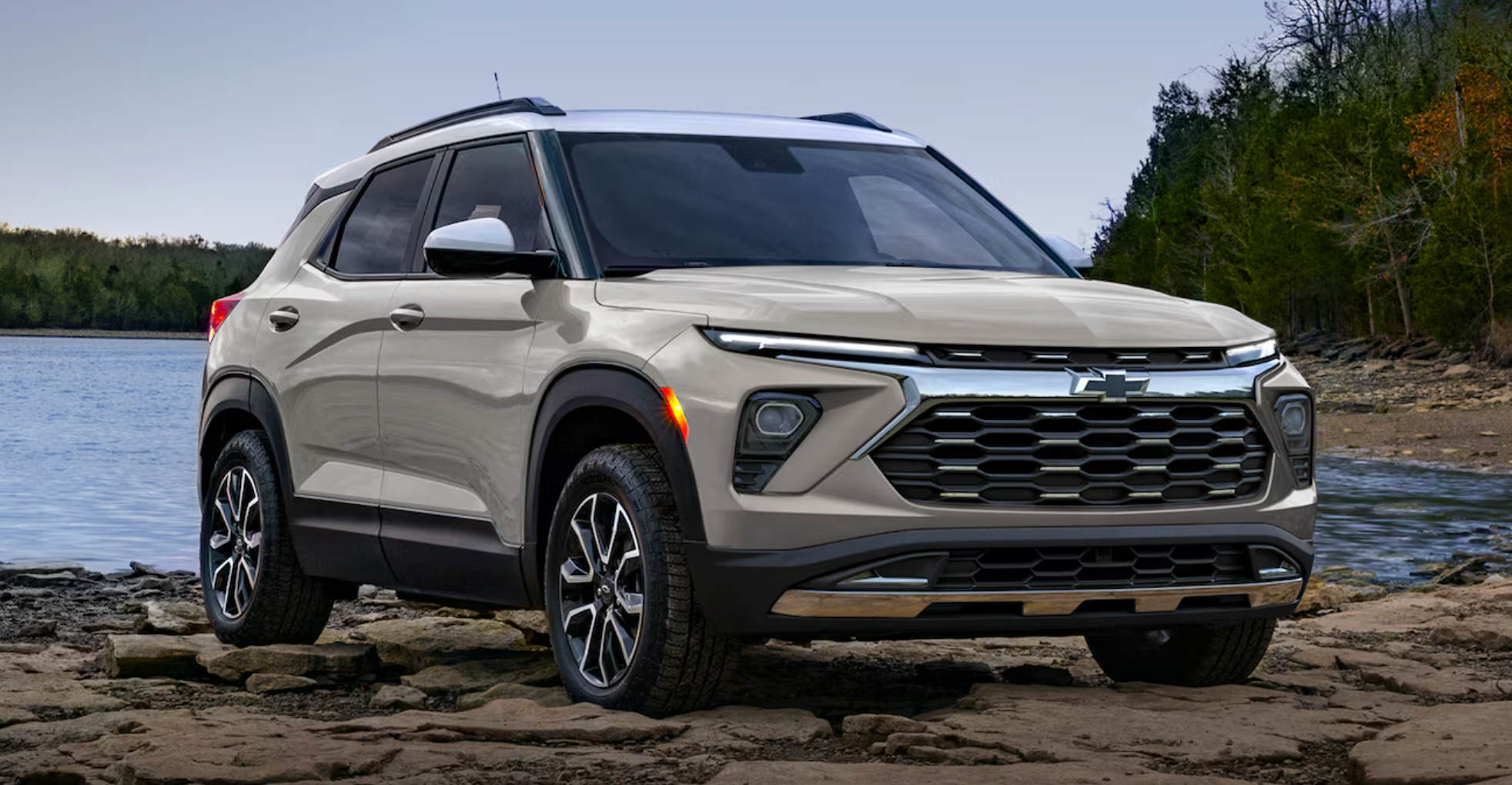
2026 Chevrolet Trailblazer parked in front of water

Chevy SUVs by Size: Smallest to Largest

Picking a Chevy SUV sounds simple until you realize just how many options are on the table. The Chevrolet SUV lineup runs from a city-friendly compact all the way up to a full-size hauler that seats up to nine passengers. If you're trying to figure out which model actually fits your life, starting with size is the smartest move. We've ranked the full 2026 gas SUV lineup in order of overall length to help you shop smarter before your visit to Turan-Foley Chevrolet Buick in Gulfport. more How Chevrolet Sizes Its 2026 SUV Lineup The 2026 Chevrolet SUV lineup covers seven distinct body sizes, with total lengths running from 174.0 inches up to 226.3 inches. That's more than four feet of difference between the two ends of the lineup, which tells you a lot about how seriously Chevy approaches variety. Whether you need something that slides into a tight downtown Gulfport parking garage or a vehicle that can carry the whole team plus gear for a Gulf Coast road trip, there's a model built for exactly that. Worth knowing before you start shopping: the Trailblazer is actually shorter than the Trax, despite the Trax often being positioned as the entry-level option. At 174.0 inches versus the Trax's 178.6 inches, the gap is modest, but it does change how you think about the two vehicles. Knowing where each model falls helps you shop with real confidence. The Smallest Options: Trailblazer and Trax Chevy's two smallest SUVs share a lot of DNA but serve slightly different buyers. Both prioritize everyday practicality and won't intimidate you in a crowded parking lot. The difference comes down to interior packaging, personality, and how you plan to use the vehicle day to day. Chevy Trailblazer (174.0 in.): Best for City Living The Trailblazer is the shortest gas SUV in the current lineup. At 174.0 inches long, it's the easiest to park, the most comfortable in stop-and-go traffic, and still feels spacious enough inside for daily errands and weekend trips. With up to 54.4 cu ft of cargo space with the rear seats folded, it doesn't sacrifice function to stay compact. If you're commuting solo or with one passenger most of the time, the Trailblazer hits a sweet spot between footprint and function that's hard to beat. Chevy Trax (178.6 in.): Small Footprint, Big Interior Efficiency The Trax sits 4.6 inches longer than the Trailblazer and is Chevy's most affordable SUV. Chevy engineers put that extra room to good use inside the cabin, and the Trax feels roomier than its exterior dimensions suggest, with thoughtful storage and a seating layout that works well for small families. With up to 54.1 cu ft of cargo space, it delivers strong practicality per square inch. For first-time SUV buyers or anyone stepping up from a compact sedan, the Trax offers an accessible entry into the Chevrolet SUV lineup without a steep learning curve. The Middle Ground: Equinox and Blazer Once you move into midsize SUV territory, cargo capacity becomes more meaningful and the overall experience shifts toward comfort and capability. The Equinox and Blazer both occupy this space but serve noticeably different audiences. Chevy Equinox (183.2 in.): The Practical Family Compact At 183.2 inches, the Equinox is a five-passenger, two-row SUV that delivers midsize-level livability in a manageable package. It's Chevrolet's most popular SUV for good reason. With up to 63.5 cu ft of max cargo, it balances rear passenger space, cargo room, and driver technology in a way that handles school runs, grocery hauls, and weekend road trips without being a burden to park. It's the kind of vehicle that earns loyalty because it handles daily life exceptionally well. Chevy Blazer (191.8 in.): A Sporty Two-Row Option With a Time Stamp The Blazer stretches to 191.8 inches and brings a distinctly sportier personality to the midsize segment. Where the Equinox leans practical, the Blazer leans bold, with a wider stance, angular styling, and a performance-tuned suspension aimed at drivers who want their SUV to feel like an event. It offers up to 64.2 cu ft of cargo space with the rear seats folded, and its two-row layout keeps the profile sleek, though growing families who need a third row should look at the Traverse instead. One timely note: the 2026 gas Blazer is confirmed in production, but GM is not expected to continue it past MY2026. If the Blazer's style and size speak to you, now is the time to schedule a test drive before availability narrows. Going Full-Size: Traverse, Tahoe, and Suburban Chevrolet's full-size SUVs represent a different category of capability altogether. The Traverse, Tahoe, and Suburban are engineered for maximum passenger count, serious towing, and the kind of cargo space that eliminates compromise. Each has a distinct role. Chevy Traverse (204.4 in.): The Three-Row Sweet Spot At 204.4 inches, the Traverse is the most accessible entry point into Chevy's full-size SUV options. Built on a car-based platform rather than a truck frame, it delivers a smooth, crossover-like driving experience with room for seven or eight passengers and up to 97.6 cu ft of max cargo. The third row is genuinely usable for adults on shorter trips, and the overall capacity easily handles family vacations without a rooftop carrier. For families who've outgrown the Equinox but don't need a truck-based platform, the Traverse hits a real sweet spot. Chevy Tahoe (211.3 in.): Truck-Based Muscle for Big Families The Tahoe is where the Chevrolet SUV lineup transitions to truck-based construction. At 211.3 inches, it's built on the same platform as the Silverado, which means the chassis handles real loads with authority. It seats seven to nine passengers and offers up to 122.7 cu ft of max cargo. For families who haul boats, trailers, or campers along the Gulf Coast, the Tahoe opens up towing capabilities a crossover simply can't match, while still working comfortably as a daily driver. Chevy Suburban (226.3 in.): Maximum Space, No Compromises The Suburban measures 226.3 inches from bumper to bumper, making it the largest Chevy SUV in the lineup. It shares its truck-based architecture with the Tahoe but adds a longer wheelbase that dramatically increases both rear passenger space and cargo capacity. With up to 144.7 cu ft of max cargo and seating for seven to nine passengers, the Suburban simply eliminates compromise. Families with a lot of people, a lot of gear, or both will find nothing else in this lineup comes close. A Quick Note for EV Shoppers: Equinox EV and Blazer EV For buyers interested in going electric, Chevrolet also offers the Equinox EV and Blazer EV. Both carry over the familiar footprints and interior layouts of their gas-powered counterparts, so you won't be sizing up or down to go electric. If you're weighing EV options within the 2026 Chevrolet SUV lineup, contact our team and we can walk you through both models alongside their gas counterparts. Matching Chevy SUV Size to Your Lifestyle The right Chevy SUV size comes down to your daily reality. Use the table below to see where each model lands based on the most common use cases: Lifestyle Need Recommended Model Overall Length Key Feature City Driving Trailblazer 174.0 in. Easiest to park; up to 54.4 cu ft cargo Small Families Trax 178.6 in. Most affordable; up to 54.1 cu ft cargo Growing Families Equinox 183.2 in. 5-passenger two-row; up to 63.5 cu ft cargo Sporty Style Blazer 191.8 in. Two-row; up to 64.2 cu ft cargo Three-Row Space Traverse 204.4 in. 7–8 passengers; up to 97.6 cu ft cargo Towing & Power Tahoe 211.3 in. Truck-based; 7–9 passengers; up to 122.7 cu ft cargo Maximum Cargo Suburban 226.3 in. Largest in lineup; up to 144.7 cu ft cargo This table covers the full 2026 gas lineup so you can see at a glance where each model lands before you ever step on the lot. Come See the Full 2026 Chevy SUV Lineup at Turan-Foley Chevrolet in Gulfport Reading about dimensions only gets you so far. The real test is sitting in the driver's seat, loading your family into the back, and actually feeling the difference between a 174-inch Trailblazer and a 226-inch Suburban. At Turan-Foley Chevrolet Buick in Gulfport, we carry the full range of 2026 Chevy SUV models and have been helping Mississippi Gulf Coast families find the right vehicle for over 50 years. Our team can walk you through every option by size in person, whether you're after something city-sized or a full-size hauler for a household that keeps growing. Stop by at 11123 Hwy 49N, Gulfport, MS 39503, and find out firsthand which Chevy SUV fits your life best.
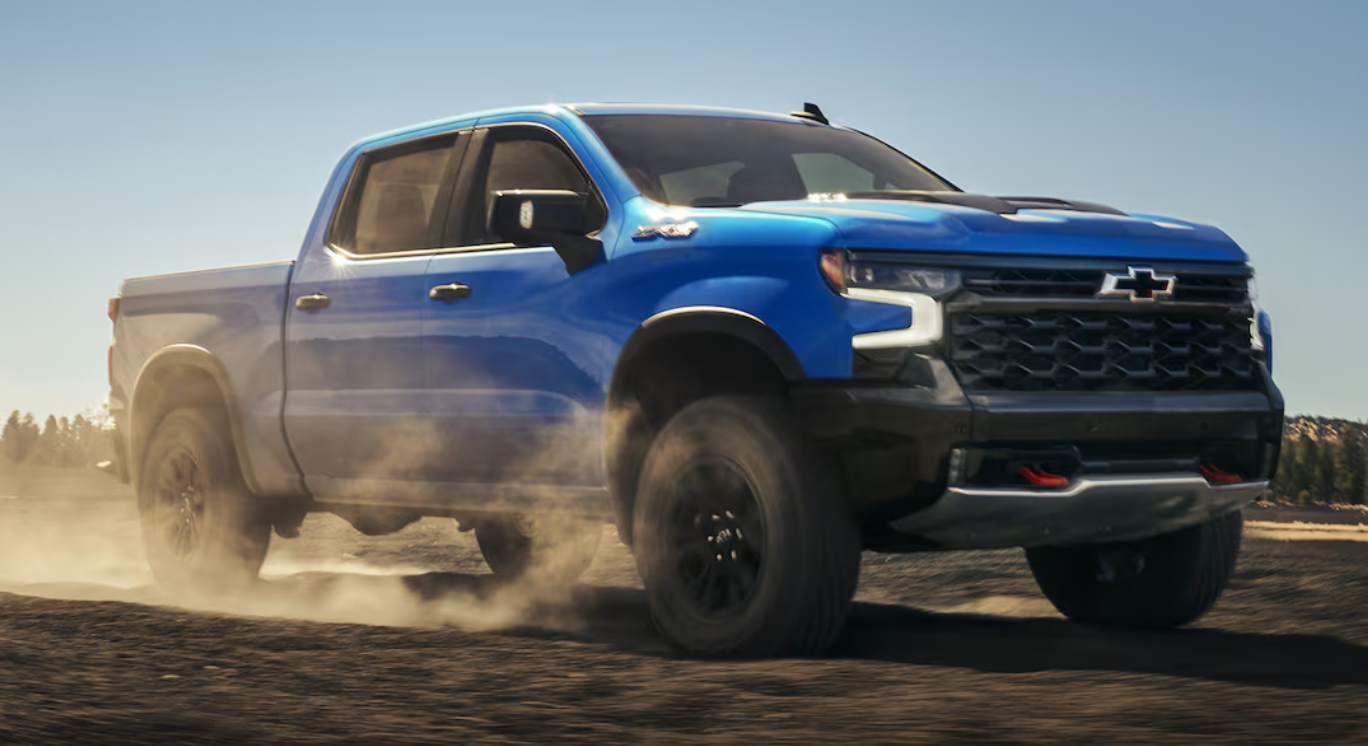
2026 Silverado in blue

What is Chevy's TurboMax Engine?

Chevrolet has been quietly rewriting the rulebook on what a truck engine should look like. The Chevy TurboMax sits at the center of that story: a turbocharged four-cylinder that punches well above its weight and is now standard equipment across some of Chevy's most popular truck models. If you're curious about the buzz surrounding it, this is a straightforward look at what it is, what it can do, and whether it makes sense for your next truck. You can browse our current TurboMax-equipped inventory to see what's available right now at Turan-Foley Chevrolet. more What Is the Chevy TurboMax Engine? The TurboMax is a turbocharged 2.7L inline-four built specifically for truck duty. Based on the L3B engine platform, it was officially branded "TurboMax" starting with the 2024 model year. Chevrolet engineered it with direct injection and variable valve timing, but what makes it unusual for a four-cylinder is its construction. The TurboMax uses a fully forged bottom end and a strengthened block, the kind of diesel-like internals that give it durability well beyond what you'd expect from a passenger-car engine. It was built from the start to handle the demands of truck ownership. The TurboMax also reflects a broader shift happening across the truck segment. Buyers want capable powertrains that don't drain the tank on every commute. This engine answers that call by pairing modern forced-induction technology with a lighter, more compact architecture than a traditional V8. Power and Torque: The Numbers Shoppers Actually Care About Raw specs tell a real story here. The TurboMax produces 310 hp and 430 lb.-ft. of torque, with that torque peaking at 3,000 rpm. Those aren't midsize-car numbers. It delivers more horsepower than Chevrolet's 3.6L V6 and more torque than any V6 option in the Silverado 1500 lineup, making it the highest-torque engine in that lineup. What makes those numbers especially useful is how they're delivered. Turbocharged engines generate peak torque much earlier in the RPM range than naturally aspirated engines, which means you feel the power the moment you press the accelerator. That characteristic makes real-world driving feel strong and confident whether you're merging onto the highway, pulling out of a job site, or working through Gulf Coast traffic with a loaded bed. Why the Low-End Torque Is the Real Story The TurboMax's strong low-RPM output isn't accidental. Three engineering decisions work together to produce it. Turbocharging forces more air into the combustion chamber, increasing power output without adding displacement. Active Fuel Management (cylinder deactivation) allows the engine to drop to two cylinders under light loads, improving efficiency without sacrificing response when you need it. And the forged internals, borrowing the same construction philosophy from diesel engines, allow the block to handle sustained high-torque output without the wear you'd eventually see in a more lightly built engine. These features explain why the TurboMax feels more like a V8 off the line than a four-cylinder. Why TurboMax Torque Makes Sense for Hauling, Towing, and Work-Truck Duty Torque is the metric that actually moves things. Horsepower gets the headlines, but torque is what pulls a loaded trailer off a dead stop and keeps a work truck from straining on an incline. The TurboMax's 430 lb.-ft. arrives early and holds strong, which is exactly what you want in a working vehicle. In the 2026 Silverado 1500, Chevrolet rates the TurboMax at a maximum towing capacity of up to 9,500 lbs. and a maximum payload of up to 2,260 lbs. (figures vary by cab style, drivetrain, and payload package). That puts it well within range for legitimate work-truck duty, whether you're hauling equipment, towing a boat, or managing job-site loads without stepping up to a larger V8. The engine's low-RPM grunt means less stress on the drivetrain and smoother starts when you're fully loaded. For anyone who uses their truck as a tool rather than just transportation, the TurboMax holds its own in everyday work scenarios along the Gulf Coast and beyond. The 2026 Chevy Silverado 1500 and the TurboMax Engine For 2026, Chevrolet continues a significant call: the TurboMax is the standard powertrain across the core Silverado 1500 trims. That decision means buyers get a genuinely capable engine right from the base configuration rather than treating a four-cylinder as a compromise spec only budget shoppers would consider. Which Silverado 1500 Trims Come Standard with TurboMax? The TurboMax spans a wide range of the Silverado lineup. Standard-equipped trims include the Work Truck (WT), Custom, Custom Trail Boss, LT, RST, and LT Trail Boss. That's broad coverage. You get the same modern, high-output engine regardless of which trim you choose. New for 2026 is the RST Select package, offered exclusively with the TurboMax, which adds 20-inch black wheels, all-terrain tires, assist steps, a bedliner, and all-weather floor mats. Fuel economy for the 2026 Silverado 1500 with the TurboMax is EPA-estimated at 20 city / 23 highway / 21 combined MPG for 2WD, and 18 city / 21 highway / 19 combined MPG for 4WD. Those numbers are worth factoring into your total cost of ownership, especially for buyers who put real miles on their trucks. If your priorities are daily commuting with the ability to tow on weekends, the LT or RST gives you that balance. If you need a capable work truck that can take you off-road without breaking a sweat, the Custom Trail Boss or LT Trail Boss adds suspension lift, skid plates, and all-terrain tires, all with the same 310 hp / 430 lb.-ft. TurboMax underneath. You can schedule a test drive to feel the difference between configurations firsthand. The 2026 Chevy Colorado and the TurboMax Engine The Colorado and TurboMax pairing is equally worth noting. For the 2026 model year, the TurboMax is the only powertrain option across all Colorado trims, which says a lot about Chevrolet's confidence in it. There's no V6 alternative available. The same output figures apply: 310 hp and 430 lb.-ft. of torque. Maximum towing for the 2026 Colorado with TurboMax reaches up to 7,700 lbs. when properly equipped with the Advanced Trailering Package. The Colorado is built for versatility. It's easy to handle in the city, capable enough for weekend off-roading or camping hauls, and well-suited for drivers who want a truck without the footprint of a full-size. The TurboMax's torque profile and efficiency fit that mission well. For Gulfport drivers who want something maneuverable enough for everyday errands but capable enough for a boat launch on the weekend, the Colorado is a natural fit. A Four-Cylinder Truck Engine That Doesn't Ask You to Compromise A four-cylinder Chevy truck once carried the stigma of being underpowered, a base spec for buyers who had no other option. The TurboMax changes that picture entirely. With 430 lb.-ft. of torque on tap and direct injection keeping combustion clean and efficient, the TurboMax doesn't ask you to make sacrifices. Chevrolet backs this up with direct comparisons: the TurboMax makes more horsepower than the 3.6L V6 and more torque than any V6 in the Silverado 1500 lineup. Cylinder count tells you very little about how an engine actually performs on the road or at the job site. The forged internals and strengthened block also speak to long-term durability. Active Fuel Management keeps efficiency up during light-load driving, so you're not burning fuel unnecessarily on the highway. For a contractor running jobs out of Gulfport, or someone who just wants a capable daily driver with a real tow rating, the TurboMax meets every reasonable demand you'd put on a truck. Get Behind the Wheel at Turan-Foley Chevrolet Buick Reading specs is one thing. Getting behind the wheel is another. Come compare a 2026 Silverado 1500 or Colorado with TurboMax at Turan-Foley Chevrolet Buick, where we've been serving the Mississippi Gulf Coast for over 50 years. We carry a well-stocked selection of both models across a range of trims, and our team is here to help you find the right configuration for your needs, whether that's a no-frills Work Truck or a fully loaded LT Trail Boss. Stop by at 11123 Hwy 49N, Gulfport, MS 39503, or reach out to us online to get started. We'd love to put you in the driver's seat of a TurboMax-powered truck and let the engine speak for itself.

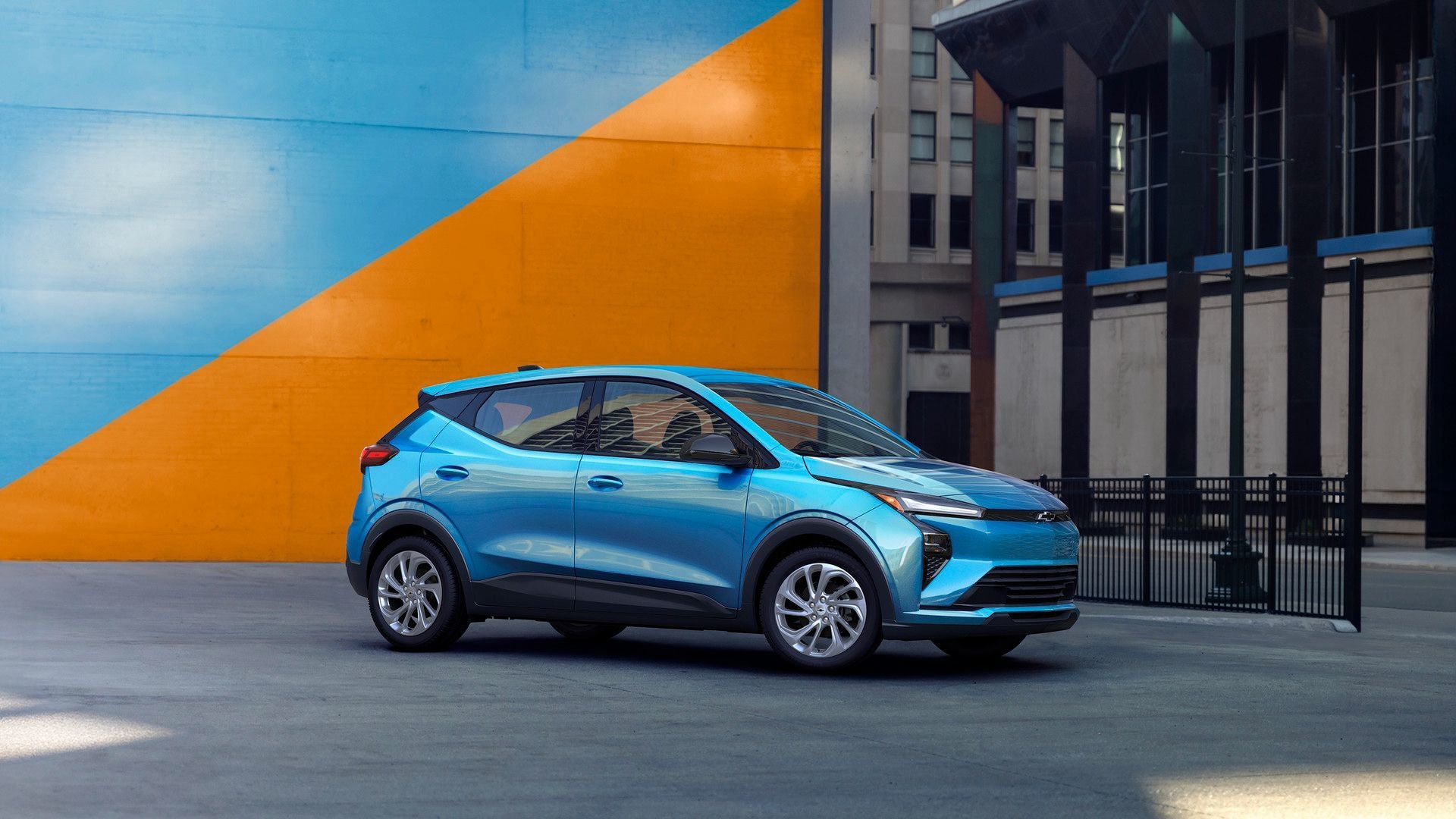
2027 chevy bolt

Why Your Chevy EV Isn't Charging

You plugged in your Chevy EV, walked inside, and expected to wake up to a full battery. Instead, nothing happened. Whether you drive a Bolt EV, an Equinox EV, or a Silverado EV, a charging issue can feel alarming fast. Most of the time, the fix is simpler than you'd expect. This guide covers the most common reasons your Chevy EV isn't charging, starting with the easy stuff and working toward the problems that genuinely need professional attention. If you'd rather skip the troubleshooting and have one of our Certified Service technicians take a look, you can schedule service at Turan-Foley Chevrolet anytime. more Start Here: Quick Checks Before You Worry About a Repair Before jumping to conclusions, run through a few basics. Check that your Chevy EV is fully in park, since some models will not initiate charging unless the transmission is properly set. Confirm the charge port door is fully open and that nothing is physically blocking the connector from seating correctly. Also verify that your home circuit breaker hasn't tripped. These small details cause a surprising number of "why is my Chevy EV not charging" moments and take only seconds to rule out. Step 1 — Disconnect and Reconnect the Charging Plug A loose or improperly seated connector is one of the most frequent causes of a failed charge session. The connection between your Chevy EV and the charger needs to be firm and complete to allow power to flow. If the plug was rushed in at an angle or bumped after being connected, the session may have never actually started. How to Properly Reseat the Connector Unplug the charging cable completely from the vehicle's charge port. Inspect both the plug and the port opening for debris, moisture, or visible corrosion. Firmly reinsert the connector until you hear or feel a click confirming a secure latch. Avoid pulling the cord at any angle once seated, since tension on the cable can break the connection. If the port feels stiff or the connector is difficult to seat, do not force it. Inspect the port carefully before trying again. What the Charge-Status Light Is Telling You The charge-status indicator light on the top/center of your EV's instrument panel communicates whether the vehicle is actively charging, done charging, or flagging an error. A flashing green light means the vehicle is connected and the battery is actively charging. A solid green light means charging is complete. If the indicator shows an error state, this often points to a connection issue between the vehicle and the EVSE, meaning the two could not establish proper communication. A flashing red light signals a problem that may require further diagnosis or a visit to our service department. Step 2 — Confirm Your Chevy EV Is Not Set to Delayed Charging Delayed charging is a useful feature that lets you schedule charging during off-peak electricity hours to save money. But it also means your Chevy EV can sit plugged in for hours without drawing any power, which is easy to forget. If you set a schedule and later found your Bolt EV or Equinox EV wasn't charging, a delayed-charge setting is often the culprit. How to Check and Clear a Scheduled Charge in the myChevrolet App Open the myChevrolet app and go to the charging settings for your vehicle. Look for any active charging schedule and check whether "Departure Time" or "Off-Peak Charging" is enabled. If you need to charge immediately, tap the option to charge now to override the schedule. You can also clear the schedule from the infotainment screen inside the vehicle. The session should begin within a few moments of confirming the change. Step 3 — Rule Out Home-Outlet and Cord Problems When it comes to Chevy EV charging issues at home, the setup matters as much as the car itself. A standard 120-volt household outlet can charge most Chevy EVs, but it charges slowly and can be sensitive to electrical issues in your home. A Level 2 home charger, which runs on 240 volts, delivers faster results but requires proper installation. Either way, problems with your outlet or EVSE can mimic a car-side fault and mislead your diagnosis. Why Chevy Says to Avoid Extension Cords and Power Strips Using extension cords, power strips, or adapters when charging your Chevy EV is genuinely risky. These accessories are not rated for the sustained electrical load that EV charging demands. They introduce resistance and inconsistency into the power supply, which can cause overheating, tripped breakers, or damage to your onboard charger. Chevrolet specifically advises against all of them. Always plug your charging cable directly into a dedicated wall outlet or a hardwired Level 2 charging unit. How to Test Whether Your Outlet or EVSE Is Delivering Power If you suspect a charging station isn't sending power, plug a different appliance into the same outlet to confirm it receives power at all. For Level 2 chargers, check the unit's indicator lights, since most EVSEs display faults or readiness through their status lights. If you see a message indicating the charge station is not powered, the issue is most likely with the outlet or charger rather than the car. Resetting your circuit breaker and the EVSE unit often resolves this quickly. If you've ruled out home-side issues and your Chevy EV is still not charging, our service department can run a full diagnostic on the vehicle's charging system. Step 4 — Cold-Weather Charging Issues and What to Do Cold temperatures affect EV batteries in real ways. Lithium-ion cells charge more slowly and less efficiently when cold, and some Chevy EVs will automatically limit charging speed to protect the battery in low temperatures. If your car seems to be charging unusually slowly or not at all during a cold snap, the weather itself may be the explanation. Ice or Snow Blocking the Charge Port Ice buildup around the charge port is a straightforward but often missed issue. Even a thin layer of ice can prevent the connector from seating fully, breaking the electrical connection before charging can begin. Always clear ice and snow from the charge port area before attempting to plug in. Never use sharp tools to chip away ice near the port. Pouring warm water carefully over the port opening is a safer approach when conditions have been especially harsh. Using Battery Preconditioning Before a Fast-Charge Session Battery preconditioning warms the battery to an ideal temperature range before charging begins, which makes DC fast-charging significantly more effective in cold weather. On supported Chevy EV models, you can activate preconditioning by tapping the Charging App icon on the vehicle's center display and selecting Fast Charge Prep from the Settings menu. On vehicles with Google built-in, routing to a DC fast-charging station using in-vehicle Google Maps can also trigger automatic preconditioning. The car will begin warming the battery automatically before you arrive. We recommend using this feature regularly during winter months if you rely on public fast chargers along the Mississippi Gulf Coast. When the Problem Is Not a Quick Fix: Warning Signs to Watch For Some charging issues point to a deeper problem that simple troubleshooting won't resolve. If you consistently see a Chevy EV charging interrupted message after ruling out the steps above, something within the charging system may need inspection. A few specific warning signs deserve prompt professional attention: A flashing red charge indicator that reappears after resetting. Repeated charging interruptions with no obvious cause. An EV warning light on the dashboard alongside a charging fault. A charge port that no longer latches or releases properly. Visible damage to the charge port or connector. These are not DIY situations. High-voltage EV components require trained technicians with proper tools and safety equipment. Attempting repairs on these systems without that background creates serious safety risks. Schedule EV Diagnostics at Turan-Foley Chevrolet If you've worked through each step and your Chevy EV still isn't charging the way it should, our Certified Service team at Turan-Foley Chevrolet in Gulfport is ready to help. Our technicians work on Chevy EVs regularly and have access to GM-approved diagnostic tools designed specifically for these vehicles. What Our Service Team Can Do We can run a full diagnostic on your vehicle's charging system, handle charging component repairs, and source genuine GM parts when needed. Whether you're dealing with a Bolt EV charging fault, an Equinox EV that won't initiate a session, or a Chevy EV warning light that keeps returning, we have the equipment and training to find the cause. Service Hours and How to Reach Us Our service department serves drivers throughout Gulfport and the Mississippi Gulf Coast with the following hours: Monday through Friday: 7:00 am to 7:00 pm Saturday: 7:00 am to 4:30 pm Call our service team directly at 228-206-0327, or schedule your EV diagnostic appointment online at your convenience. You can also contact us with any questions before your visit. We're here to get you back on the road with confidence.

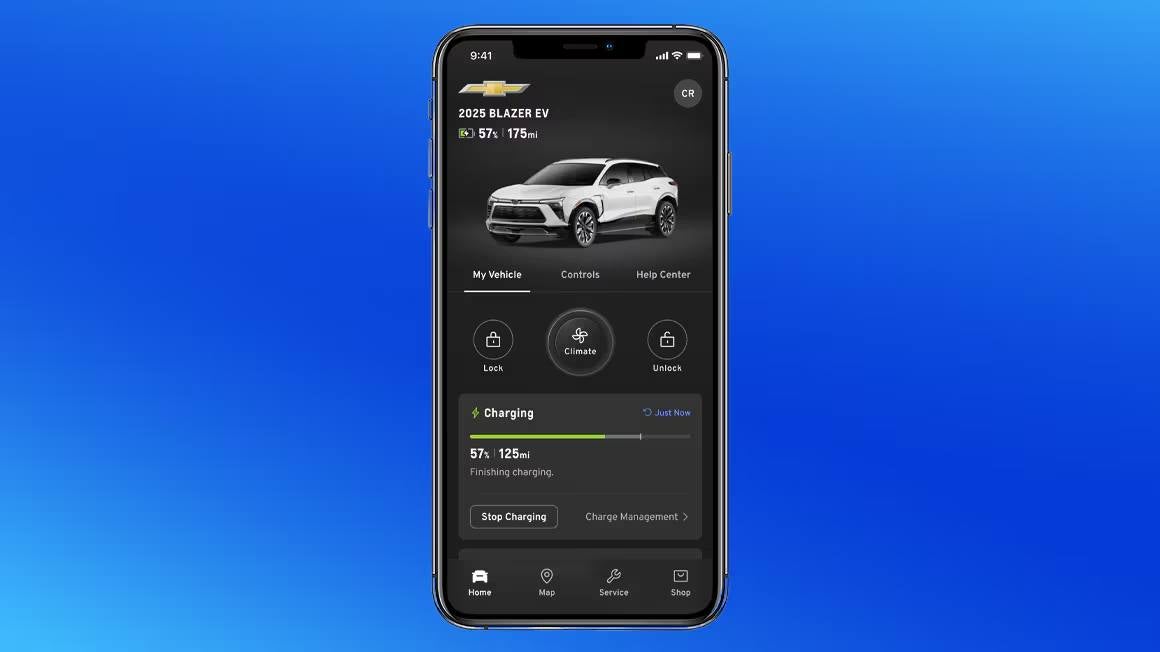
my chevy app on a phone

Does MyChevrolet App Work Without OneStar?

If you've recently picked up a new Chevrolet and noticed the myChevrolet app on your phone, you're probably wondering what it can actually do. Yes, the myChevrolet app works without an active OnStar subscription, but the experience is noticeably different depending on which features you're after. Knowing where that line falls can save you a lot of frustration. If you want to talk it through right away, feel free to contact our team at Turan-Foley Chevrolet in Gulfport, MS. more So, Does the myChevrolet App Work Without OnStar? The myChevrolet app works as both a standalone tool and a companion to OnStar's connected services. Without an active OnStar subscription, you can still access a solid set of features: maintenance tracking, service scheduling, and your digital owner's manual are all available. The more exciting capabilities, like remote start and emergency assistance, are tied directly to an active OnStar Connected Services plan. The app essentially has two tiers: a free layer that anyone with a GM account can use, and a connected layer that depends on OnStar's cellular and GPS technology. The table below shows exactly where the line falls. Available Without OnStar Requires Active OnStar Plan Download and use the app with a GM account Remote start / stop View digital owner's manual and how-to videos Remote lock / unlock Schedule service at a dealer Live vehicle location / stolen vehicle assistance Recall notifications for your VIN Send destinations to in-vehicle navigation myChevrolet Rewards points balance Automatic Crash Response and Emergency Services Maintenance reminders Roadside Assistance through the app Basic vehicle status display (varies by vehicle/setup) In-vehicle Wi-Fi Hotspot data What You Can Do With the myChevrolet App Without an OnStar Subscription Even without OnStar, the myChevrolet app delivers genuine value for everyday ownership. It pulls everything vehicle-related into one place, making it easier to stay on top of your car's needs. Maintenance Tracking, Owner's Manual, and Recall Lookup One of the most practical aspects of the app is how it surfaces maintenance information without requiring any connected services plan. You can check oil life, monitor tire pressure, view fuel levels, and receive alerts when your vehicle is due for service. The digital owner's manual replaces the printed booklet in your glove compartment. The recall lookup tool lets you check whether your specific vehicle has any outstanding safety recalls using your VIN. Both are available at no charge. Service Scheduling, myChevrolet Rewards, and Account Management The app makes it easy to schedule a service appointment at your preferred dealership without making a phone call. If you're a myChevrolet Rewards member, your points balance and account details are accessible right within the app as well. Managing your myChevrolet account, viewing service history, and receiving maintenance reminders all fall into this no-subscription tier. These features are available to any registered user, which makes the app worthwhile even if you never activate OnStar. Which Features Require an Active OnStar Connected Services Plan The most talked-about capabilities of the myChevrolet app require an active OnStar plan. These features turn your phone into a remote control for your vehicle and depend on the cellular connectivity and GPS technology that OnStar provides. Remote Commands: Start, Lock, Unlock, and Vehicle Status Remote start is probably the most frequently asked-about feature. To use it through the app, you need an active OnStar Connected Services plan. The same applies to remotely locking or unlocking your doors and checking real-time vehicle status, including door position and on-demand tire pressure updates. These commands are transmitted through OnStar's cellular network, not over Bluetooth or Wi-Fi. None of that works without an active connected services subscription. Location Tracking, Emergency Assistance, and Wi-Fi Hotspot Several safety and convenience features are also gated behind an active OnStar plan. Real-time location tracking, helpful if a vehicle is stolen or if you're monitoring a teen driver, requires OnStar. Emergency assistance, which connects you with a live advisor during accidents or medical emergencies, is unavailable without a subscription. The in-vehicle Wi-Fi Hotspot uses OnStar's connectivity to keep passengers connected on the road, and it also requires an active plan. These aren't features you can replicate through Bluetooth or the car's built-in infotainment system. Vehicle Eligibility and Account Syncing: Why Some Features May Still Be Unavailable Even with an active OnStar subscription, some features might not show up in your app. This usually comes down to vehicle eligibility and account syncing. Not every Chevrolet model supports every feature. Compatibility depends on the model year and the technology package installed at the factory. An older Silverado may not support the same remote features as a newer Equinox or Tahoe. Before assuming the app is malfunctioning, confirm that your vehicle's hardware actually supports the feature you're trying to use. Account syncing is another common culprit. If your VIN isn't correctly linked to your myChevrolet account, or if there's a mismatch in your account data, certain features may appear unavailable even when they should work. Verifying your account details and re-syncing your vehicle can often resolve these issues quickly. What Happens to Connected Features When Your OnStar Trial Expires New Chevrolet vehicle purchases come with a 1-month trial of OnStar One. If you purchase a plan within that 1-month trial, you receive an additional 2 months at no charge, for a total of up to 3 months. When that trial expires, the change is significant: remote start, vehicle tracking, emergency services, and the Wi-Fi Hotspot all stop working until you subscribe to a paid plan. What remains is the core free tier: maintenance tracking, service scheduling, recall lookup, myChevrolet Rewards access, and the owner's manual. The app doesn't disappear, but it loses quite a bit. If you relied on remote start during the trial, that drop in functionality will be noticeable. Whether to continue with a paid plan really comes down to how much you use those connected features. For drivers who use remote start regularly or value real-time vehicle status updates, a plan tends to make sense. For others, the free tier covers their needs just fine. How to Download and Set Up the myChevrolet App Getting started is straightforward. Follow these steps: Download the myChevrolet app from the Apple App Store or Google Play at no cost. Sign in with your existing GM account or create one using the email address you gave at the dealership. Add your vehicle by entering your VIN, found on your dashboard, door jamb, or registration paperwork. Complete any OnStar or connected-services pairing prompts if your vehicle supports them. After syncing, the app populates with your vehicle's information and displays which features are available based on your subscription status. If you run into any trouble during setup, your local dealership can walk you through it in person. Frequently Asked Questions About the myChevrolet App and OnStar Does every Chevrolet model support remote features through the app? No. Compatibility depends on the model year and factory-installed technology equipment. Newer vehicles like the Tahoe, Traverse, and Silverado 1500 are generally well-equipped for connected services, but older models may have limited support. Checking your vehicle's specifications or asking a dealership advisor will give you a clear picture of what's available for your specific vehicle. Can I use Bluetooth instead of OnStar for app connectivity? No. Bluetooth supports hands-free calling and media streaming inside the cabin, but it is not a replacement for OnStar's telematics. Remote commands, real-time vehicle status updates, and location tracking all depend on a cellular connection provided through OnStar. Bluetooth doesn't have the range or data capabilities to perform those functions remotely. Is the myChevrolet app free to download and use? Yes. The app is free to download, and the basic features, including maintenance tracking, the digital owner's manual, service scheduling, and myChevrolet Rewards access, are available at no charge. The features that require payment are those tied to an active OnStar Connected Services subscription, such as remote start and location tracking. Get Help Setting Up Your myChevrolet App If you've just purchased a new or pre-owned Chevrolet and want help getting the app up and running, we're here to help. At Turan-Foley Chevrolet Buick, we've been serving the Gulf Coast community, including Gulfport, MS, Biloxi, and the surrounding area, for over 50 years. If you need help syncing your vehicle, want to know which OnStar plan fits your driving habits, or have questions about connected features on your specific model, our factory-trained team can walk you through it. Stop by at 11123 Hwy 49N, Gulfport, MS 39503, or call us at (228) 206-0327 to get started.

chevy mylink on car screen

What Is Chevy MyLink? Features, Connectivity, and How Chevy Infotainment Works

Most drivers know they want a connected, intuitive cabin experience, but the terminology gets confusing fast. If you've searched "what is Chevy MyLink" and ended up with a jumbled mix of answers about older interfaces, newer upgrades, and app integrations, you're not alone. This guide breaks down exactly what the system is, how it works today, and what you can expect behind the wheel of a modern Chevrolet. If you'd rather see it in person, browse our new Chevrolet inventory to find the model and trim that fits your needs. more What Is Chevy MyLink? Understanding the Name and What It Means Today Chevy MyLink is Chevrolet's branded infotainment platform, built to put entertainment, connectivity, and navigation controls front and center on the vehicle's touchscreen. Chevrolet first introduced the system in 2011 with the Volt, then rolled it out across the broader lineup beginning with select 2012 model year vehicles. It runs on the QNX real-time operating system with Nuance voice recognition software, giving it a stable, responsive foundation that Chevrolet has kept building on ever since. The goal was pretty straightforward: give drivers a smarter, more connected cabin experience without overwhelming them. The system ties together audio, phone, navigation, and vehicle settings into one interface, and it earned a solid reputation for being approachable and reliable across many model years. From MyLink to Chevy Infotainment 3: How the System Evolved In 2019, Chevrolet rebranded the platform as Chevy Infotainment 3. This isn't a completely separate system; it's a refinement of the same platform, bringing a more responsive touchscreen, faster processing, expanded app integration, and wireless connectivity options that earlier generations didn't support. Wireless Apple CarPlay and Android Auto, now standard expectations for many buyers, are among the most notable additions in the Infotainment 3 era. Navigation became more refined, the interface grew cleaner, and the whole experience started feeling less like a feature you had to learn and more like a natural part of driving. Many drivers still search for "Chevy MyLink" simply because that's the name on their current vehicle, which is why it's worth knowing that both terms refer to the same evolving platform. Smartphone Integration: Apple CarPlay, Android Auto, and Bluetooth Apple CarPlay and Android Auto let your phone's interface display directly on the vehicle's touchscreen, giving you access to navigation apps, messaging, music, and calls without picking up your device. Wired pairing uses a USB cable for a stable connection and simultaneous charging. Wireless pairing, available on newer models, connects your phone automatically once it's in range. No cable required. Newer 2026 models offer wireless Apple CarPlay and Android Auto on most gas-powered vehicles. How to Connect Your Phone: Step-by-Step Bluetooth pairing: Put the vehicle in park and turn on the infotainment display. Tap the phone or settings icon on the home screen. Enable Bluetooth on your phone. Select your vehicle from the available devices list on your phone. Confirm the pairing code on both devices when prompted. Wi-Fi hotspot connection: From the home screen, navigate to Settings, then Wi-Fi Hotspot. Activate the hotspot and note the network name and password displayed. On your device, go to Wi-Fi settings and select the vehicle's network. Enter the password. The hotspot supports up to 7 devices simultaneously. Once paired via Bluetooth, your phone reconnects automatically every time you get in the car. Schedule a test drive and we can walk you through the full setup process in person. Core Features You Can Access Through Chevy Infotainment The Chevy infotainment system acts as the central hub for nearly everything inside the cabin, from audio and navigation to voice commands and connected services. Here's what the platform actually delivers. Audio, Streaming, and Radio Controls You can toggle between AM/FM radio, Bluetooth audio, USB-connected music libraries, and streaming services like Spotify or Apple Music through CarPlay or Android Auto. Pandora and Stitcher Radio are also accessible via touchscreen or voice command. Steering wheel controls and the center console both manage audio, and select vehicles include Bose Centerpoint surround sound for a noticeably upgraded listening experience. Navigation: Built-In GPS vs. Using Your Phone Built-in turn-by-turn GPS works independently of your phone and mobile data, with real-time traffic alerts and toll booth notifications built in. That's a genuinely useful backup for drivers in areas with spotty coverage along the Gulf Coast. Phone-based navigation through Apple Maps or Google Maps runs through CarPlay or Android Auto and offers constantly refreshed traffic data and rerouting. Having both options means you're covered either way. Voice Controls and Hands-Free Features Using the voice recognition button on the steering wheel, you can place calls, send texts, change audio sources, request directions, and adjust volume without lifting your hands. The system responds to natural language rather than rigid commands, which makes a real difference in day-to-day use. Paired with Siri through Apple CarPlay or Google Assistant through Android Auto, voice control becomes more capable still. Useful for everything from navigation requests to sending messages on a long drive. OnStar Integration Chevy infotainment works alongside OnStar to extend what the system can do for your safety and convenience. On equipped vehicles, that includes Automatic Crash Response, roadside assistance, vehicle diagnostics, access to live advisors, and turn-by-turn navigation support. These services connect directly through the infotainment interface, keeping everything accessible from the same screen you're already using. Infotainment 3 Tiers: What You Get at Each Level Chevrolet offers the Infotainment 3 platform across three tiers. The table below outlines what's confirmed at each level. System Screen Size Wireless CarPlay / Android Auto Built-In Navigation Wi‑Fi Hotspot Available On Infotainment 3 7-inch or 8-inch diagonal touchscreen (base trims) Standard on most 2026 models (varies by trim) No (smartphone projection only) Yes, available on most trims with active service plan Trax LS & 1RS (8-inch), Silverado 1500 base (legacy 7-inch on some work trucks), Trailblazer base, others Infotainment 3 Plus 8-inch or 10.2-inch HD diagonal touchscreen Standard on 2026 models Yes (U.S., Puerto Rico, Canada; requires active service + data plan) Yes, with active service plan Blazer (10.2-inch), Colorado, select Traverse & Silverado 1500 trims, Trax LT / 2RS / ACTIV (11-inch) Infotainment 3 Premium / Chevrolet Infotainment System with Google Built-In 11-inch to 13.4-inch HD diagonal touchscreen Standard on 2026 gas models with this system Yes (Google Maps via Google built-in; data plan required for some features) Yes, with active service plan 2026 Equinox (11.3-inch), Silverado 1500 LT+ (13.4-inch), Traverse, Tahoe, Suburban, Blazer EV, Equinox EV, others Apple CarPlay and Android Auto are standard across modern Chevrolet systems. Wireless capability is confirmed for 2026 model year vehicles on most gas-powered trims. For exact screen sizes and tier-specific feature details on a vehicle you're considering, contact our team for current information. The myChevrolet App: Not the Same as Your In-Car System The myChevrolet app and your in-car infotainment system are separate tools. The myChevrolet app is a smartphone application that gives you remote access to certain vehicle functions from anywhere: locking or unlocking doors, checking fuel level and tire pressure, starting the engine remotely on compatible vehicles, and scheduling service appointments. Think of it as an extension of your ownership experience rather than a mirror of your in-car display. Used together, the app and the infotainment system give you a much more complete picture of your vehicle's status and capabilities. Which Chevy Vehicles Include This Infotainment Technology The MyLink and Infotainment 3 platform has been integrated across a wide range of Chevrolet vehicles, including the Silverado, Equinox, Traverse, Malibu, Volt, Trax, and Colorado. Current models carry Infotainment 3 as either a standard or available feature depending on trim, with higher trims typically unlocking wireless CarPlay and Android Auto, larger touchscreens, and broader connected services. Since the available technology package varies by model and year, it's worth confirming which infotainment version comes with a specific trim before you buy. Browse our new Chevrolet inventory to see what's currently available at Turan-Foley and compare trims side by side. Come See Chevy Infotainment in Action at Turan-Foley in Gulfport Experience It in Person Reading about Chevy infotainment is useful, but getting behind the wheel tells a different story. At Turan-Foley Chevrolet Buick in Gulfport, MS, we're ready to walk you through the system on any vehicle that catches your eye, whether that's a Silverado built for work or an Equinox suited to daily drives around the Gulf Coast. What to Expect When You Visit We've been serving the Gulfport area as a family-owned dealership for over 50 years. You'll get straightforward answers about features, trims, and the technology that actually matters to your daily routine. No pressure, no confusion. We carry a wide selection of new Chevrolet models and certified pre-owned vehicles, with in-house financing available. Ready to Connect? If you have questions about infotainment features, want to compare Infotainment 3 tiers across models, or want to see how wireless CarPlay works before you commit, we're here to help. Stop by at 11123 Hwy 49N in Gulfport or contact our team and we'll get you sorted out.

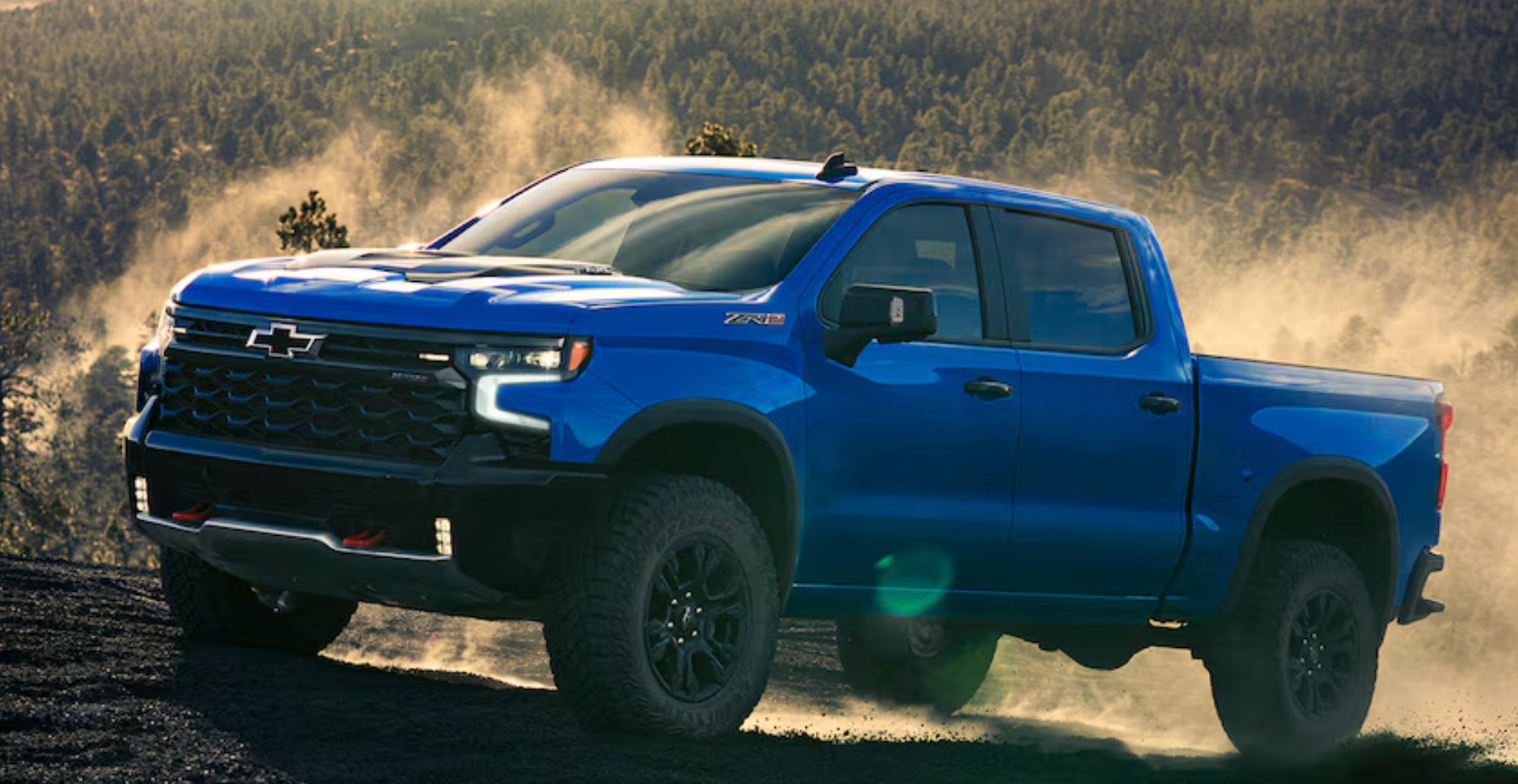
Silverado 1500 in Blue

Which Chevy Vehicles Are Made in the USA?

Chevrolet has been building vehicles in America for well over a century, and that history still shows up on factory floors across the country today. If you've ever wondered whether Chevy is an American brand in more than just name, the honest answer is: largely yes, with some nuance. Many of the most popular models in the lineup roll off assembly lines right here in the United States. Not every Chevy is built domestically, though, and understanding the difference matters more than most buyers realize. Browse our new Chevy inventory if you're ready to see which American-assembled models are available right now. more What "Made in the USA" Really Means for Chevy Vehicles When people ask "is Chevy American made?" they're usually picturing a vehicle conceived, built, and finished entirely on U.S. soil. Modern auto manufacturing is more layered than that. Even vehicles assembled in American plants draw on parts sourced from international suppliers. Engines, transmissions, electronics, and raw materials often cross multiple borders before a vehicle reaches the showroom floor. That doesn't undercut the value of domestic assembly, though. When a Chevrolet is assembled in the U.S., American workers are doing the hands-on work, quality checks happen under U.S. regulatory standards, and local economies benefit directly. For many buyers, that's precisely the kind of manufacturing support they're after. So while "Chevy vehicles made in the USA" doesn't mean every single component originated here, it does mean something real about where the vehicle was built and who built it. Throughout this article, we're talking specifically about assembly location, not making a broad claim that every part is American-made. Chevy Vehicles Assembled in the United States General Motors assembles a wide range of Chevrolet vehicles within U.S. borders, spanning trucks, full-size SUVs, vans, and specialty models. The table below gives a clear picture of where each U.S.-assembled model is built. Model Assembly Plant City, State Segment Notes Chevrolet Colorado Wentzville Assembly Wentzville, MO Truck Chevrolet Express Wentzville Assembly Wentzville, MO Van Chevrolet Silverado HD (2500HD, 3500HD) Flint Truck Assembly Flint, MI Truck Chevrolet Silverado 1500 Fort Wayne Assembly Fort Wayne, IN Truck Some configurations built in Silao, Mexico and Oshawa, Canada Chevrolet Traverse Lansing Delta Township Assembly Lansing, MI SUV Chevrolet Tahoe Arlington Assembly Arlington, TX Full-Size SUV Chevrolet Suburban Arlington Assembly Arlington, TX Full-Size SUV Chevrolet Corvette (incl. ZR1) Bowling Green Assembly Bowling Green, KY Sports Car Chevrolet Silverado EV Factory ZERO (Detroit-Hamtramck Assembly) Detroit-Hamtramck, MI EV Truck Production temporarily paused Trucks, Vans, and Everyday Work Vehicles The Silverado 1500 is assembled at Fort Wayne Assembly in Fort Wayne, Indiana, making it one of the more prominent examples of a domestically built Chevy. That said, some configurations are also built at Silao Assembly in Mexico and Oshawa Assembly in Canada, so assembly origin can vary depending on the specific cab style and trim. If U.S. assembly is a priority for you, it's worth verifying the VIN before purchasing. The heavy-duty Silverado 2500HD and 3500HD are built at Flint Truck Assembly in Flint, Michigan. Engineered for demanding work, these trucks are a natural fit for domestic production given the working drivers who depend on them. The Colorado midsize truck and the Express cargo and passenger van both come out of Wentzville Assembly in Wentzville, Missouri. Contractors, small business owners, and families rely on both vehicles regularly, and their consistent domestic assembly lines up with the toughness and reliability they're known for. Full-Size SUVs Built on American Soil General Motors assembles the Tahoe and Suburban at Arlington Assembly in Arlington, Texas. These are two of the most recognized names in the full-size SUV segment, offering spacious interiors, serious towing capacity, and genuinely modern technology. Their American production supports quality control aligned with U.S. safety standards. The Traverse, Chevy's three-row crossover, is assembled at Lansing Delta Township Assembly in Lansing, Michigan. It's a popular choice for families who want the room of an SUV without the full footprint of a Tahoe or Suburban, and its domestic assembly is a real draw for buyers who care about where their vehicle was built. You can explore available Traverse models and other U.S.-assembled options in our new Chevy inventory. The Corvette and Silverado EV: Specialty and Electric The Corvette, including the ZR1, is built at Bowling Green Assembly in Bowling Green, Kentucky. Each one is assembled with the kind of precision that comes from skilled craftspeople working on a performance vehicle with genuine legacy behind it. For buyers who see the Corvette as the ultimate expression of American engineering, knowing it's hand-assembled in Kentucky only deepens that connection. The Silverado EV is assembled at Factory ZERO (Detroit-Hamtramck Assembly) in Detroit-Hamtramck, Michigan, a facility purpose-built for electric vehicle production. Production is currently on a temporary pause, so we're not including it in active inventory recommendations at this time. Which Chevy Models Are Assembled Outside the United States? Not every Chevy is assembled domestically, and it's worth knowing which ones aren't. Several popular models are built in Mexico or South Korea. The gas-powered Equinox is assembled at San Luis Potosi Assembly in Mexico. Both the Equinox EV and Blazer EV are assembled at Ramos Arizpe Assembly, also in Mexico. The gas-powered Blazer is currently built outside the U.S. as well, though GM has announced it will move to Spring Hill Manufacturing in Tennessee starting in 2027. The Trax is built at GM's Changwon plant in South Korea, and the Trailblazer comes from GM's Bupyeong plant in Incheon. One model worth clarifying is the Bolt EV. It's assembled at Orion Assembly in Michigan using a mix of U.S. and globally sourced parts. Michigan-assembled, yes, but its global parts sourcing means it doesn't fit neatly into either category, and that distinction is worth being transparent about. None of this makes these vehicles lower quality. GM engineers and backs them to the same standards regardless of where assembly happens. But for buyers specifically asking about Chevy vehicles made in the USA to support domestic manufacturing, this context matters. How to Verify Where a Specific Chevy Was Built The most reliable tool for confirming where a specific Chevy was assembled is the Vehicle Identification Number (VIN). The first digit tells you the country of assembly. A "1" or "4" at the start indicates U.S. assembly. A "2" points to Canada, and a "3" indicates Mexico. You can use the NHTSA VIN decoder tool at nhtsa.gov to look up a vehicle's manufacturing origin. This is especially useful when shopping used vehicles or comparing two trims of the same model, since assembly locations can vary by configuration or production year. Digits 11 through 17 of the VIN identify the specific assembly plant. When you're shopping with us, just ask. Any member of our team can pull up the window sticker or VIN details right away. Does American Assembly Matter When You Buy a Chevy? Whether domestic assembly factors into your buying decision depends entirely on what you value. For some buyers, supporting American manufacturing is a genuine priority. Knowing that American workers assembled their truck or SUV creates a real sense of connection to the product and to the communities that rely on those jobs. For others, the vehicle itself is what drives the decision. Features, fuel economy, reliability ratings, and capabilities often take precedence over where final assembly happened. That's a completely valid way to shop. What's worth pointing out is that many of the vehicles people most want from Chevy are already assembled in the U.S. If you're in the market for a Silverado HD, a Tahoe, a Suburban, a Traverse, a Colorado, or a Corvette, you're already getting a domestically assembled vehicle. Supporting American manufacturing and getting a great truck or SUV don't have to be a trade-off here. Explore American-Assembled Chevy Models at Turan-Foley Chevrolet At Turan-Foley Chevrolet Buick, we're proud to serve Gulfport-area drivers with a strong selection of U.S.-assembled Chevrolet models. Our inventory regularly includes the Traverse from Lansing, Michigan; the Tahoe and Suburban from Arlington, Texas; the Colorado and Express from Wentzville, Missouri; and the Corvette from Bowling Green, Kentucky. These are vehicles built by American workers at verified domestic assembly plants, and we're happy to walk you through the details on any of them. We've been family-owned and operated on the Mississippi Gulf Coast for over 50 years, and we treat every customer like part of that family. Our team can answer your questions about assembly origin, pull up VIN information, and help match you with the right model for your needs. If knowing where your next vehicle was assembled matters to you, come see us. Browse our new Chevy inventory to see what's available, schedule a test drive to get behind the wheel, or contact us and let our team help you find an American-assembled Chevy that fits your life in Gulfport and beyond.

2026-traverse-design-02

Which Chevy SUVs Have a 3rd Row?

If you need third-row seating, Chevrolet gives you three real options: the 2026 Traverse, the 2026 Tahoe, and the 2026 Suburban. All three are genuine 3-row SUVs, but they differ quite a bit in size, seating capacity, and who they actually work for. At Turan-Foley Chevrolet Buick near Gulfport, we help buyers sort through this exact decision every day, so we put this guide together to make it a faster process. Browse our new vehicle inventory to see what's currently in stock, or keep reading to figure out which model actually fits your household. more Quick clarification before we dig in: the Trax, Trailblazer, Equinox, and Blazer don't offer a third row. They're solid vehicles in their own right, but if third-row seating is non-negotiable, those four are out. The Traverse, Tahoe, and Suburban are the only Chevy SUVs with a 3rd row. Not Every Chevy SUV Has a Third Row - Here's What Does Each of the three 3-row models approaches the job from a different angle. The Traverse is a midsize unibody SUV built around everyday family practicality. The Tahoe is a full-size body-on-frame SUV that brings more power and a larger overall footprint. The Suburban takes that same full-size construction and stretches it further with an extended wheelbase, giving you the maximum in both passenger and cargo room. Once you understand those structural differences, picking the right one gets a lot simpler. 2026 Chevrolet Traverse: The Midsize 3-Row SUV for Growing Families The 2026 Traverse is Chevrolet's midsize entry in the 3-row category. It's the most maneuverable of the three, the easiest to park, and the one that fits most naturally into daily suburban life without ever feeling like you're piloting something too large. Seating Capacity and Who It Fits Best Seating actually varies by trim. The LT trim offers an available second-row bench that brings total capacity to eight passengers. Most other trims, including the Z71, RS, and High Country, come with second-row captain's chairs and seat seven. That distinction matters: if you consistently need that eighth seat, the LT is the one to focus on. The Traverse is the natural fit for growing families with younger kids, households where one vehicle handles both school runs and weekend road trips, and drivers who want a 3-row SUV that doesn't demand extra confidence to navigate a crowded parking garage. Wide door openings and a low step-in height are the kind of practical details that seem minor until you're buckling car seats twice a day. One honest note on the third row: 32.13 inches of legroom works fine for kids and shorter adults, but it's tight for taller adults on long drives. If your third row will regularly carry full-grown passengers on extended trips, the Tahoe or Suburban will serve them considerably better. Midsize Size, Real-World Space Cargo is one of the Traverse's strongest suits. Fold everything down and you've got 97.6 cu. ft. of space, which is genuinely impressive for a midsize. Double stroller, a week's worth of groceries, lacrosse gear for three kids, it all fits. Higher trims include power-folding third-row seats, which makes switching from passenger mode to cargo mode quick and painless. For families who are constantly loading and unloading, that feature becomes more useful than it sounds on paper. 2026 Chevrolet Tahoe: Full-Size Flexibility for Active Families Step inside the Tahoe after spending time in the Traverse and the difference is immediately obvious. The Tahoe is bigger, built on a body-on-frame platform, and designed to handle more in every direction: more passengers, more cargo, more demanding conditions. Seating Capacity and Who It Fits Best The 2026 Tahoe can seat up to nine passengers when the LS trim is configured with a front bench. Most other trims seat seven or eight depending on whether the second row has a bench or captain's chairs. That front-bench option is worth knowing about if you're regularly moving a larger group and need every available seat. The Tahoe is the right call for families with older kids who actually use the third row the way adults do, for households that need real legroom in all three rows, and for drivers who regularly tow a boat, camper, or trailer. Every row has noticeably more breathing room than in the Traverse, and the third row in particular is a meaningfully more comfortable place for adults on longer drives. If you want to schedule a test drive with the Tahoe and Traverse back-to-back, we can set that up. That kind of direct comparison tends to make the decision pretty clear for most people. When You Need More Than a Midsize Families who lead active lives and push their vehicles hard tend to gravitate toward the Tahoe for good reason. It handles demanding terrain, carries full loads without complaint, and the trim selection is broad enough that you can dial in exactly the features you want. For households that genuinely use their SUV hard, the full-size construction is a better long-term fit. 2026 Chevrolet Suburban: Maximum Space for Large Families and Long Hauls The Suburban is in its own category. It shares the Tahoe's full-size body-on-frame bones but adds an extended wheelbase, which translates directly to more interior length, more third-row space, and more cargo room behind that third row. Seating Capacity and Who It Fits Best Like the Tahoe, the 2026 Suburban seats up to nine on the LS trim with a front bench. Most trims seat seven or eight depending on second-row configuration. What sets the Suburban apart is what those passengers actually experience. The extended wheelbase gives third-row occupants noticeably more legroom than either the Traverse or the Tahoe. Adults can sit back there comfortably, which is genuinely rare in the SUV segment. The Suburban is built for large families with three or more kids, multi-generational households where grandparents and children are riding together regularly, and frequent long-distance travelers who aren't willing to trade passenger comfort for cargo capacity. It's also the right answer for anyone who needs to carry a full vehicle of people and still have meaningful cargo room to work with. The Case for Going Full-Size Plus The Suburban's reputation comes from what it lets you do simultaneously. You're not choosing between hauling nine people or hauling gear. You can do both. Road trips, team carpools, beach days on the Mississippi Gulf Coast where everyone shows up with coolers and equipment, the Suburban handles all of it without forcing compromises. For families who've outgrown everything else, it's often the logical endpoint. Traverse vs. Tahoe vs. Suburban: Side-by-Side at a Glance The table below uses verified 2026 model year data and puts the key differences right next to each other. Feature 2026 Traverse 2026 Tahoe 2026 Suburban Body Type Midsize unibody Full-size body-on-frame Full-size extended body-on-frame Max Seating 8 (LT w/ 2nd-row bench); most trims 7 9 (LS w/ front bench); most trims 7–8 9 (LS w/ front bench); most trims 7–8 Max Cargo Space 97.6 ft³ 122.7 ft³ 144.50 ft³ 3rd-Row Legroom 32.1 in 34.9 in 36.7 in Best For Growing families, daily versatility Active families, towing, full-size strength Large families, max passenger + cargo capacity Starting Trim LS LS LS The Traverse is the approachable, maneuverable choice for families who want a 3-row SUV without the full-size footprint. The Tahoe bridges everyday usability and serious capability in one package. The Suburban extends that further for households that simply need the most room available. All three are legitimate Chevy SUVs with a 3rd row. The right one comes down to how many people you regularly carry, whether adult comfort in the third row matters to you, and how much you demand from an SUV beyond moving passengers from point A to B. You can compare all three in our new vehicle inventory to check current availability and trim options. Which Chevy 3-Row SUV Is the Right Fit for You? Start with passenger count and how you actually use the third row. If your family is growing and you need something that handles school pickups, weekend errands, and the occasional road trip without feeling unwieldy, the Traverse is a strong starting point. It's manageable, genuinely capable on cargo, and the most practical fit for families with younger kids who aren't yet filling all three rows with adults. If your household regularly travels with older kids or adults filling every seat, or if towing is part of your regular routine, the move to full-size is worth making. The Tahoe's third row is meaningfully more comfortable for adult passengers than the Traverse's 32.1 inches allows, and the full-size construction gives the whole vehicle a more confident, capable character. For large families, frequent long-haul drivers, or anyone who simply refuses to leave people or gear behind, the Suburban answers all of it at once. It's not for everyone, but for the families it's built for, nothing else in the Chevrolet lineup even comes close. See These 3-Row Chevy SUVs in Person There's only so much that reading about these vehicles can tell you. Sitting in all three rows, checking how the third row folds, taking a model out on the road: that's usually where the decision actually gets made. We carry the Traverse, Tahoe, and Suburban at Turan-Foley Chevrolet Buick, so you can compare all three in one visit without driving all over the Gulf Coast. Come see us at 11123 Hwy 49N in Gulfport. We've been serving families across the Mississippi Gulf Coast for over 50 years, and whether you're ready to buy or just starting to narrow things down, we can walk you through trim configurations, seating options, and financing to make the whole process straightforward. Contact us ahead of your visit if you have specific questions or want to confirm availability on a particular model.

Contact Us

Fill out this form below and we'll contact you shortly
*Required Fields