
Blog

All New Inventory Local Comparison Technology Finance Green Chevy Guide Silverado 1500 Pre-Owned Inventory News Gulfport Chevrolet Dealer Parts People Silverado HD Community Events Service Social Blazer Colorado Gulfport Chevrolet Service
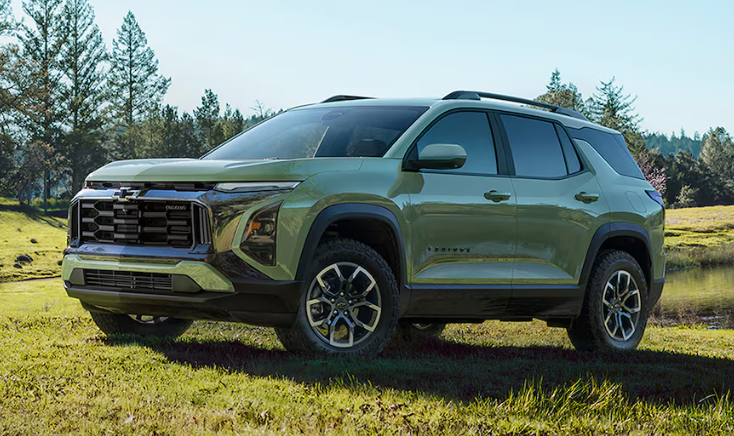
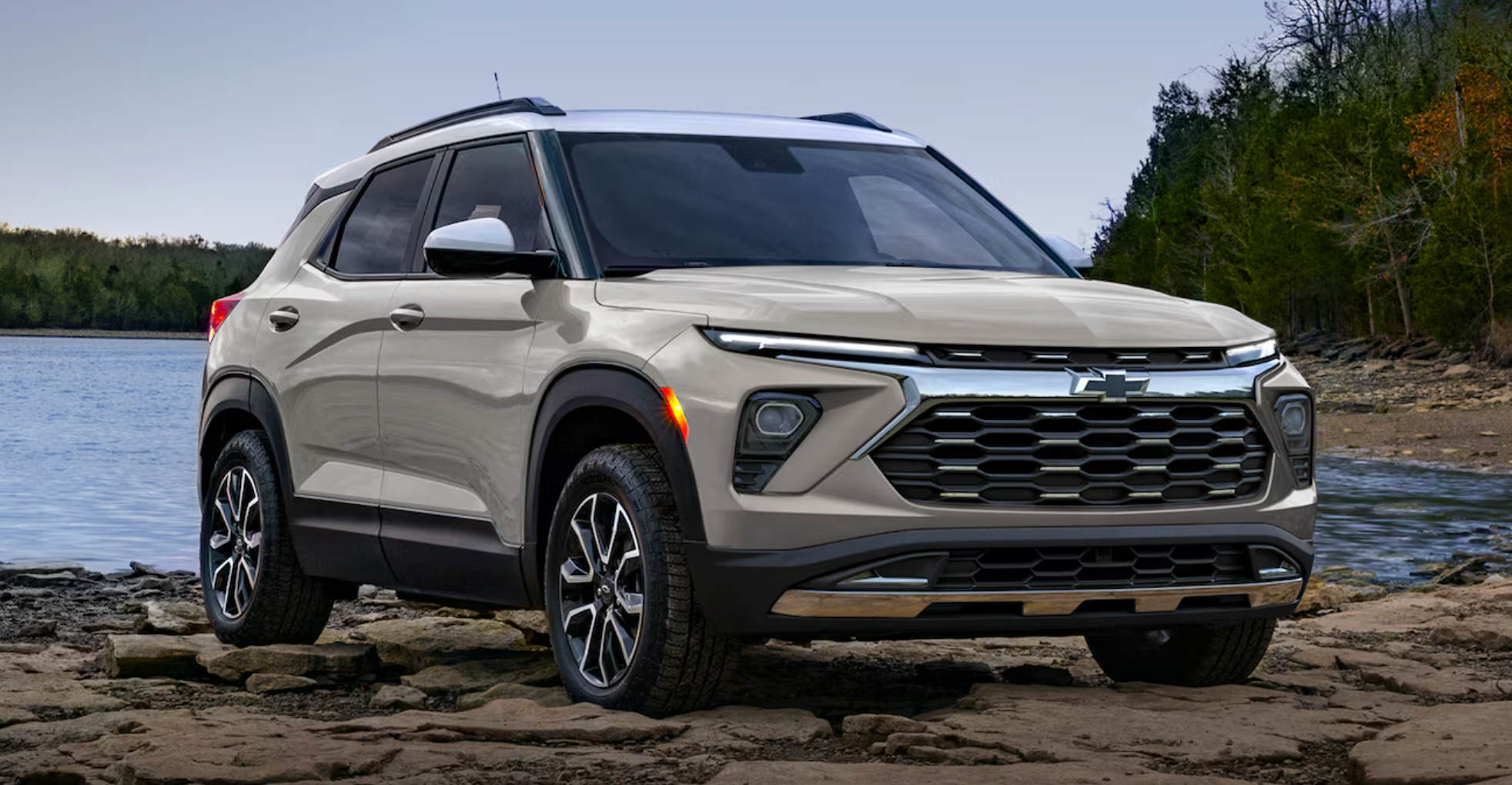
2026 Chevrolet Trailblazer parked in front of water
in Chevy Guide

Chevy SUVs by Size: Smallest to Largest

Picking a Chevy SUV sounds simple until you realize just how many options are on the table. The Chevrolet SUV lineup runs from a city-friendly compact all the way up to a full-size hauler that seats up to nine passengers. If you're trying to figure out which model actually fits your life, starting with size is the smartest move. We've ranked the full 2026 gas SUV lineup in order of overall length to help you shop smarter before your visit to Turan-Foley Chevrolet Buick in Gulfport. more How Chevrolet Sizes Its 2026 SUV Lineup The 2026 Chevrolet SUV lineup covers seven distinct body sizes, with total lengths running from 174.0 inches up to 226.3 inches. That's more than four feet of difference between the two ends of the lineup, which tells you a lot about how seriously Chevy approaches variety. Whether you need something that slides into a tight downtown Gulfport parking garage or a vehicle that can carry the whole team plus gear for a Gulf Coast road trip, there's a model built for exactly that. Worth knowing before you start shopping: the Trailblazer is actually shorter than the Trax, despite the Trax often being positioned as the entry-level option. At 174.0 inches versus the Trax's 178.6 inches, the gap is modest, but it does change how you think about the two vehicles. Knowing where each model falls helps you shop with real confidence. The Smallest Options: Trailblazer and Trax Chevy's two smallest SUVs share a lot of DNA but serve slightly different buyers. Both prioritize everyday practicality and won't intimidate you in a crowded parking lot. The difference comes down to interior packaging, personality, and how you plan to use the vehicle day to day. Chevy Trailblazer (174.0 in.): Best for City Living The Trailblazer is the shortest gas SUV in the current lineup. At 174.0 inches long, it's the easiest to park, the most comfortable in stop-and-go traffic, and still feels spacious enough inside for daily errands and weekend trips. With up to 54.4 cu ft of cargo space with the rear seats folded, it doesn't sacrifice function to stay compact. If you're commuting solo or with one passenger most of the time, the Trailblazer hits a sweet spot between footprint and function that's hard to beat. Chevy Trax (178.6 in.): Small Footprint, Big Interior Efficiency The Trax sits 4.6 inches longer than the Trailblazer and is Chevy's most affordable SUV. Chevy engineers put that extra room to good use inside the cabin, and the Trax feels roomier than its exterior dimensions suggest, with thoughtful storage and a seating layout that works well for small families. With up to 54.1 cu ft of cargo space, it delivers strong practicality per square inch. For first-time SUV buyers or anyone stepping up from a compact sedan, the Trax offers an accessible entry into the Chevrolet SUV lineup without a steep learning curve. The Middle Ground: Equinox and Blazer Once you move into midsize SUV territory, cargo capacity becomes more meaningful and the overall experience shifts toward comfort and capability. The Equinox and Blazer both occupy this space but serve noticeably different audiences. Chevy Equinox (183.2 in.): The Practical Family Compact At 183.2 inches, the Equinox is a five-passenger, two-row SUV that delivers midsize-level livability in a manageable package. It's Chevrolet's most popular SUV for good reason. With up to 63.5 cu ft of max cargo, it balances rear passenger space, cargo room, and driver technology in a way that handles school runs, grocery hauls, and weekend road trips without being a burden to park. It's the kind of vehicle that earns loyalty because it handles daily life exceptionally well. Chevy Blazer (191.8 in.): A Sporty Two-Row Option With a Time Stamp The Blazer stretches to 191.8 inches and brings a distinctly sportier personality to the midsize segment. Where the Equinox leans practical, the Blazer leans bold, with a wider stance, angular styling, and a performance-tuned suspension aimed at drivers who want their SUV to feel like an event. It offers up to 64.2 cu ft of cargo space with the rear seats folded, and its two-row layout keeps the profile sleek, though growing families who need a third row should look at the Traverse instead. One timely note: the 2026 gas Blazer is confirmed in production, but GM is not expected to continue it past MY2026. If the Blazer's style and size speak to you, now is the time to schedule a test drive before availability narrows. Going Full-Size: Traverse, Tahoe, and Suburban Chevrolet's full-size SUVs represent a different category of capability altogether. The Traverse, Tahoe, and Suburban are engineered for maximum passenger count, serious towing, and the kind of cargo space that eliminates compromise. Each has a distinct role. Chevy Traverse (204.4 in.): The Three-Row Sweet Spot At 204.4 inches, the Traverse is the most accessible entry point into Chevy's full-size SUV options. Built on a car-based platform rather than a truck frame, it delivers a smooth, crossover-like driving experience with room for seven or eight passengers and up to 97.6 cu ft of max cargo. The third row is genuinely usable for adults on shorter trips, and the overall capacity easily handles family vacations without a rooftop carrier. For families who've outgrown the Equinox but don't need a truck-based platform, the Traverse hits a real sweet spot. Chevy Tahoe (211.3 in.): Truck-Based Muscle for Big Families The Tahoe is where the Chevrolet SUV lineup transitions to truck-based construction. At 211.3 inches, it's built on the same platform as the Silverado, which means the chassis handles real loads with authority. It seats seven to nine passengers and offers up to 122.7 cu ft of max cargo. For families who haul boats, trailers, or campers along the Gulf Coast, the Tahoe opens up towing capabilities a crossover simply can't match, while still working comfortably as a daily driver. Chevy Suburban (226.3 in.): Maximum Space, No Compromises The Suburban measures 226.3 inches from bumper to bumper, making it the largest Chevy SUV in the lineup. It shares its truck-based architecture with the Tahoe but adds a longer wheelbase that dramatically increases both rear passenger space and cargo capacity. With up to 144.7 cu ft of max cargo and seating for seven to nine passengers, the Suburban simply eliminates compromise. Families with a lot of people, a lot of gear, or both will find nothing else in this lineup comes close. A Quick Note for EV Shoppers: Equinox EV and Blazer EV For buyers interested in going electric, Chevrolet also offers the Equinox EV and Blazer EV. Both carry over the familiar footprints and interior layouts of their gas-powered counterparts, so you won't be sizing up or down to go electric. If you're weighing EV options within the 2026 Chevrolet SUV lineup, contact our team and we can walk you through both models alongside their gas counterparts. Matching Chevy SUV Size to Your Lifestyle The right Chevy SUV size comes down to your daily reality. Use the table below to see where each model lands based on the most common use cases: Lifestyle Need Recommended Model Overall Length Key Feature City Driving Trailblazer 174.0 in. Easiest to park; up to 54.4 cu ft cargo Small Families Trax 178.6 in. Most affordable; up to 54.1 cu ft cargo Growing Families Equinox 183.2 in. 5-passenger two-row; up to 63.5 cu ft cargo Sporty Style Blazer 191.8 in. Two-row; up to 64.2 cu ft cargo Three-Row Space Traverse 204.4 in. 7–8 passengers; up to 97.6 cu ft cargo Towing & Power Tahoe 211.3 in. Truck-based; 7–9 passengers; up to 122.7 cu ft cargo Maximum Cargo Suburban 226.3 in. Largest in lineup; up to 144.7 cu ft cargo This table covers the full 2026 gas lineup so you can see at a glance where each model lands before you ever step on the lot. Come See the Full 2026 Chevy SUV Lineup at Turan-Foley Chevrolet in Gulfport Reading about dimensions only gets you so far. The real test is sitting in the driver's seat, loading your family into the back, and actually feeling the difference between a 174-inch Trailblazer and a 226-inch Suburban. At Turan-Foley Chevrolet Buick in Gulfport, we carry the full range of 2026 Chevy SUV models and have been helping Mississippi Gulf Coast families find the right vehicle for over 50 years. Our team can walk you through every option by size in person, whether you're after something city-sized or a full-size hauler for a household that keeps growing. Stop by at 11123 Hwy 49N, Gulfport, MS 39503, and find out firsthand which Chevy SUV fits your life best.

Read More
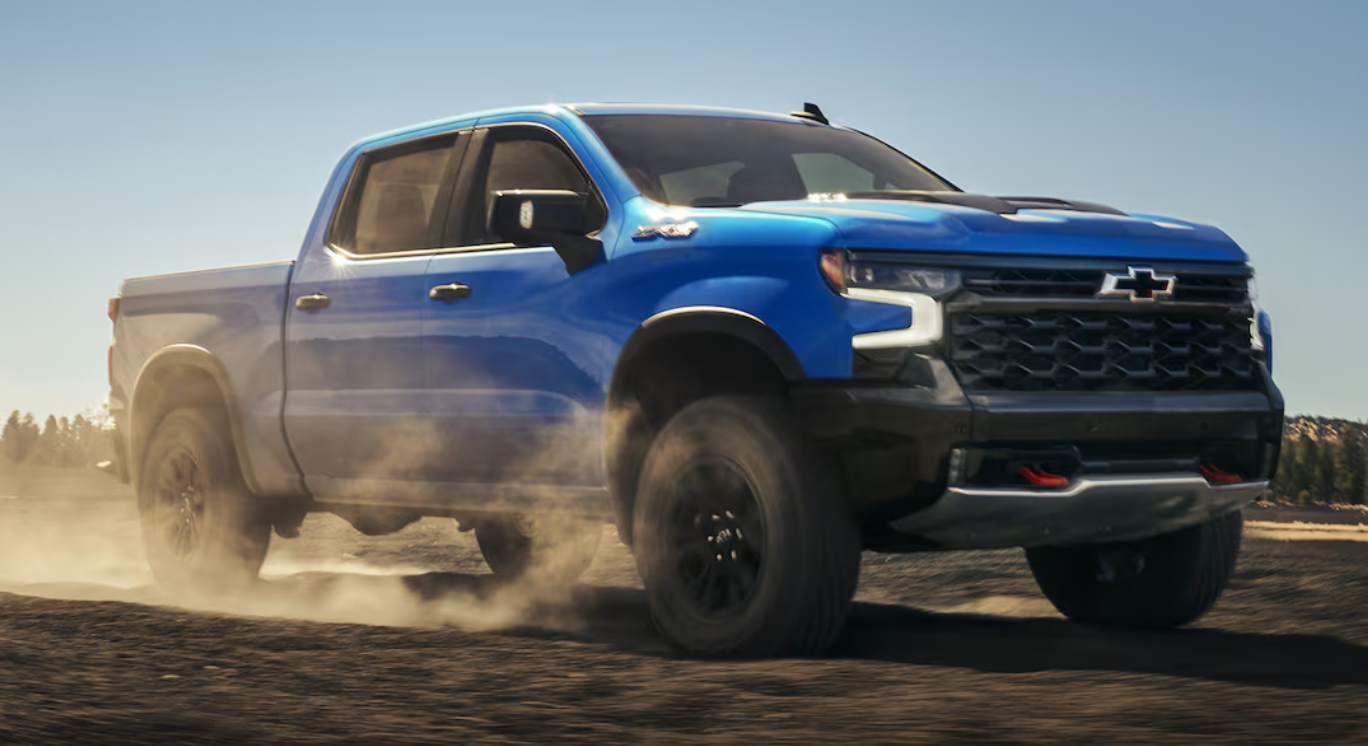
2026 Silverado in blue

What is Chevy's TurboMax Engine?

Chevrolet has been quietly rewriting the rulebook on what a truck engine should look like. The Chevy TurboMax sits at the center of that story: a turbocharged four-cylinder that punches well above its weight and is now standard equipment across some of Chevy's most popular truck models. If you're curious about the buzz surrounding it, this is a straightforward look at what it is, what it can do, and whether it makes sense for your next truck. You can browse our current TurboMax-equipped inventory to see what's available right now at Turan-Foley Chevrolet. more What Is the Chevy TurboMax Engine? The TurboMax is a turbocharged 2.7L inline-four built specifically for truck duty. Based on the L3B engine platform, it was officially branded "TurboMax" starting with the 2024 model year. Chevrolet engineered it with direct injection and variable valve timing, but what makes it unusual for a four-cylinder is its construction. The TurboMax uses a fully forged bottom end and a strengthened block, the kind of diesel-like internals that give it durability well beyond what you'd expect from a passenger-car engine. It was built from the start to handle the demands of truck ownership. The TurboMax also reflects a broader shift happening across the truck segment. Buyers want capable powertrains that don't drain the tank on every commute. This engine answers that call by pairing modern forced-induction technology with a lighter, more compact architecture than a traditional V8. Power and Torque: The Numbers Shoppers Actually Care About Raw specs tell a real story here. The TurboMax produces 310 hp and 430 lb.-ft. of torque, with that torque peaking at 3,000 rpm. Those aren't midsize-car numbers. It delivers more horsepower than Chevrolet's 3.6L V6 and more torque than any V6 option in the Silverado 1500 lineup, making it the highest-torque engine in that lineup. What makes those numbers especially useful is how they're delivered. Turbocharged engines generate peak torque much earlier in the RPM range than naturally aspirated engines, which means you feel the power the moment you press the accelerator. That characteristic makes real-world driving feel strong and confident whether you're merging onto the highway, pulling out of a job site, or working through Gulf Coast traffic with a loaded bed. Why the Low-End Torque Is the Real Story The TurboMax's strong low-RPM output isn't accidental. Three engineering decisions work together to produce it. Turbocharging forces more air into the combustion chamber, increasing power output without adding displacement. Active Fuel Management (cylinder deactivation) allows the engine to drop to two cylinders under light loads, improving efficiency without sacrificing response when you need it. And the forged internals, borrowing the same construction philosophy from diesel engines, allow the block to handle sustained high-torque output without the wear you'd eventually see in a more lightly built engine. These features explain why the TurboMax feels more like a V8 off the line than a four-cylinder. Why TurboMax Torque Makes Sense for Hauling, Towing, and Work-Truck Duty Torque is the metric that actually moves things. Horsepower gets the headlines, but torque is what pulls a loaded trailer off a dead stop and keeps a work truck from straining on an incline. The TurboMax's 430 lb.-ft. arrives early and holds strong, which is exactly what you want in a working vehicle. In the 2026 Silverado 1500, Chevrolet rates the TurboMax at a maximum towing capacity of up to 9,500 lbs. and a maximum payload of up to 2,260 lbs. (figures vary by cab style, drivetrain, and payload package). That puts it well within range for legitimate work-truck duty, whether you're hauling equipment, towing a boat, or managing job-site loads without stepping up to a larger V8. The engine's low-RPM grunt means less stress on the drivetrain and smoother starts when you're fully loaded. For anyone who uses their truck as a tool rather than just transportation, the TurboMax holds its own in everyday work scenarios along the Gulf Coast and beyond. The 2026 Chevy Silverado 1500 and the TurboMax Engine For 2026, Chevrolet continues a significant call: the TurboMax is the standard powertrain across the core Silverado 1500 trims. That decision means buyers get a genuinely capable engine right from the base configuration rather than treating a four-cylinder as a compromise spec only budget shoppers would consider. Which Silverado 1500 Trims Come Standard with TurboMax? The TurboMax spans a wide range of the Silverado lineup. Standard-equipped trims include the Work Truck (WT), Custom, Custom Trail Boss, LT, RST, and LT Trail Boss. That's broad coverage. You get the same modern, high-output engine regardless of which trim you choose. New for 2026 is the RST Select package, offered exclusively with the TurboMax, which adds 20-inch black wheels, all-terrain tires, assist steps, a bedliner, and all-weather floor mats. Fuel economy for the 2026 Silverado 1500 with the TurboMax is EPA-estimated at 20 city / 23 highway / 21 combined MPG for 2WD, and 18 city / 21 highway / 19 combined MPG for 4WD. Those numbers are worth factoring into your total cost of ownership, especially for buyers who put real miles on their trucks. If your priorities are daily commuting with the ability to tow on weekends, the LT or RST gives you that balance. If you need a capable work truck that can take you off-road without breaking a sweat, the Custom Trail Boss or LT Trail Boss adds suspension lift, skid plates, and all-terrain tires, all with the same 310 hp / 430 lb.-ft. TurboMax underneath. You can schedule a test drive to feel the difference between configurations firsthand. The 2026 Chevy Colorado and the TurboMax Engine The Colorado and TurboMax pairing is equally worth noting. For the 2026 model year, the TurboMax is the only powertrain option across all Colorado trims, which says a lot about Chevrolet's confidence in it. There's no V6 alternative available. The same output figures apply: 310 hp and 430 lb.-ft. of torque. Maximum towing for the 2026 Colorado with TurboMax reaches up to 7,700 lbs. when properly equipped with the Advanced Trailering Package. The Colorado is built for versatility. It's easy to handle in the city, capable enough for weekend off-roading or camping hauls, and well-suited for drivers who want a truck without the footprint of a full-size. The TurboMax's torque profile and efficiency fit that mission well. For Gulfport drivers who want something maneuverable enough for everyday errands but capable enough for a boat launch on the weekend, the Colorado is a natural fit. A Four-Cylinder Truck Engine That Doesn't Ask You to Compromise A four-cylinder Chevy truck once carried the stigma of being underpowered, a base spec for buyers who had no other option. The TurboMax changes that picture entirely. With 430 lb.-ft. of torque on tap and direct injection keeping combustion clean and efficient, the TurboMax doesn't ask you to make sacrifices. Chevrolet backs this up with direct comparisons: the TurboMax makes more horsepower than the 3.6L V6 and more torque than any V6 in the Silverado 1500 lineup. Cylinder count tells you very little about how an engine actually performs on the road or at the job site. The forged internals and strengthened block also speak to long-term durability. Active Fuel Management keeps efficiency up during light-load driving, so you're not burning fuel unnecessarily on the highway. For a contractor running jobs out of Gulfport, or someone who just wants a capable daily driver with a real tow rating, the TurboMax meets every reasonable demand you'd put on a truck. Get Behind the Wheel at Turan-Foley Chevrolet Buick Reading specs is one thing. Getting behind the wheel is another. Come compare a 2026 Silverado 1500 or Colorado with TurboMax at Turan-Foley Chevrolet Buick, where we've been serving the Mississippi Gulf Coast for over 50 years. We carry a well-stocked selection of both models across a range of trims, and our team is here to help you find the right configuration for your needs, whether that's a no-frills Work Truck or a fully loaded LT Trail Boss. Stop by at 11123 Hwy 49N, Gulfport, MS 39503, or reach out to us online to get started. We'd love to put you in the driver's seat of a TurboMax-powered truck and let the engine speak for itself.
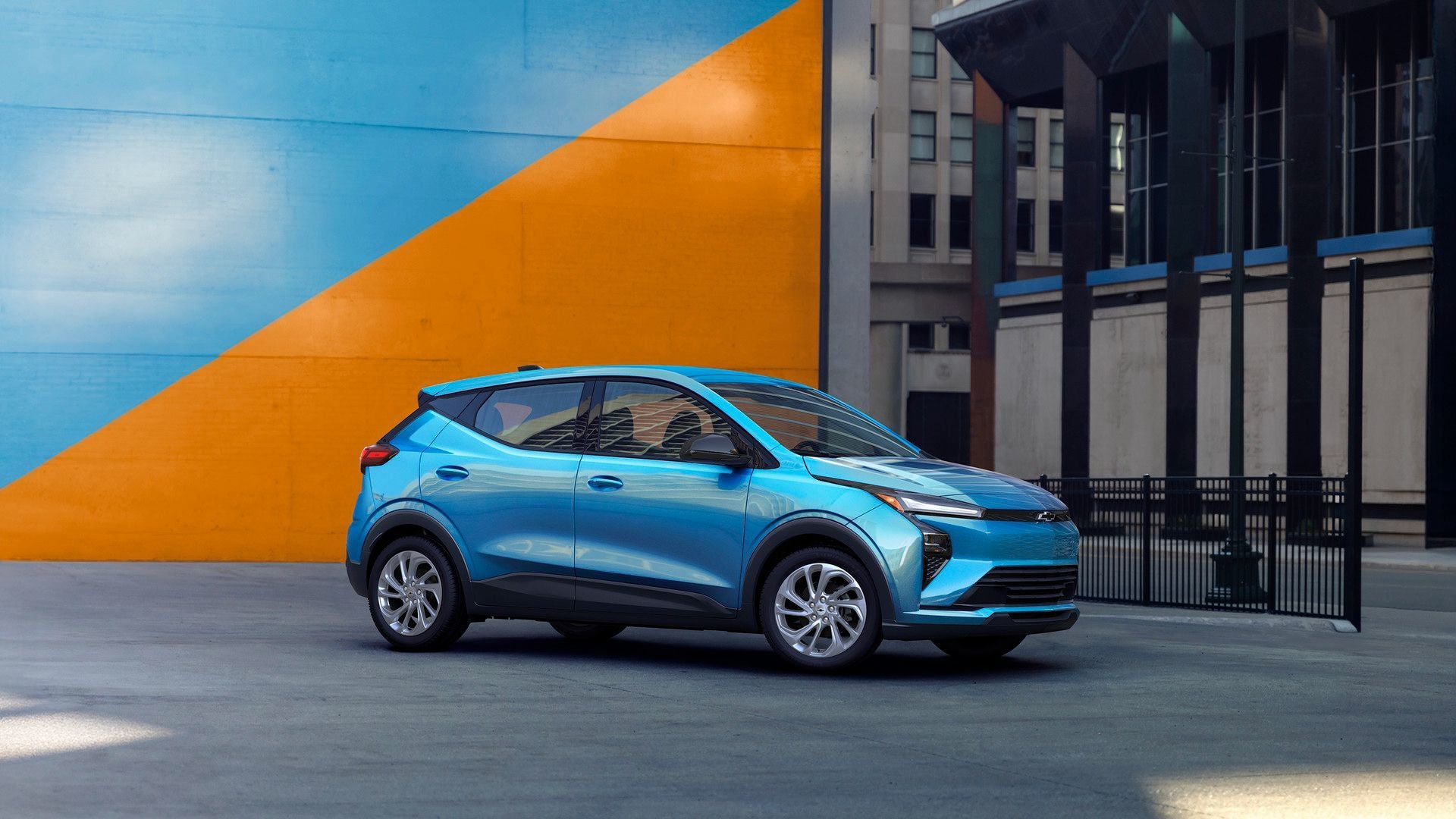
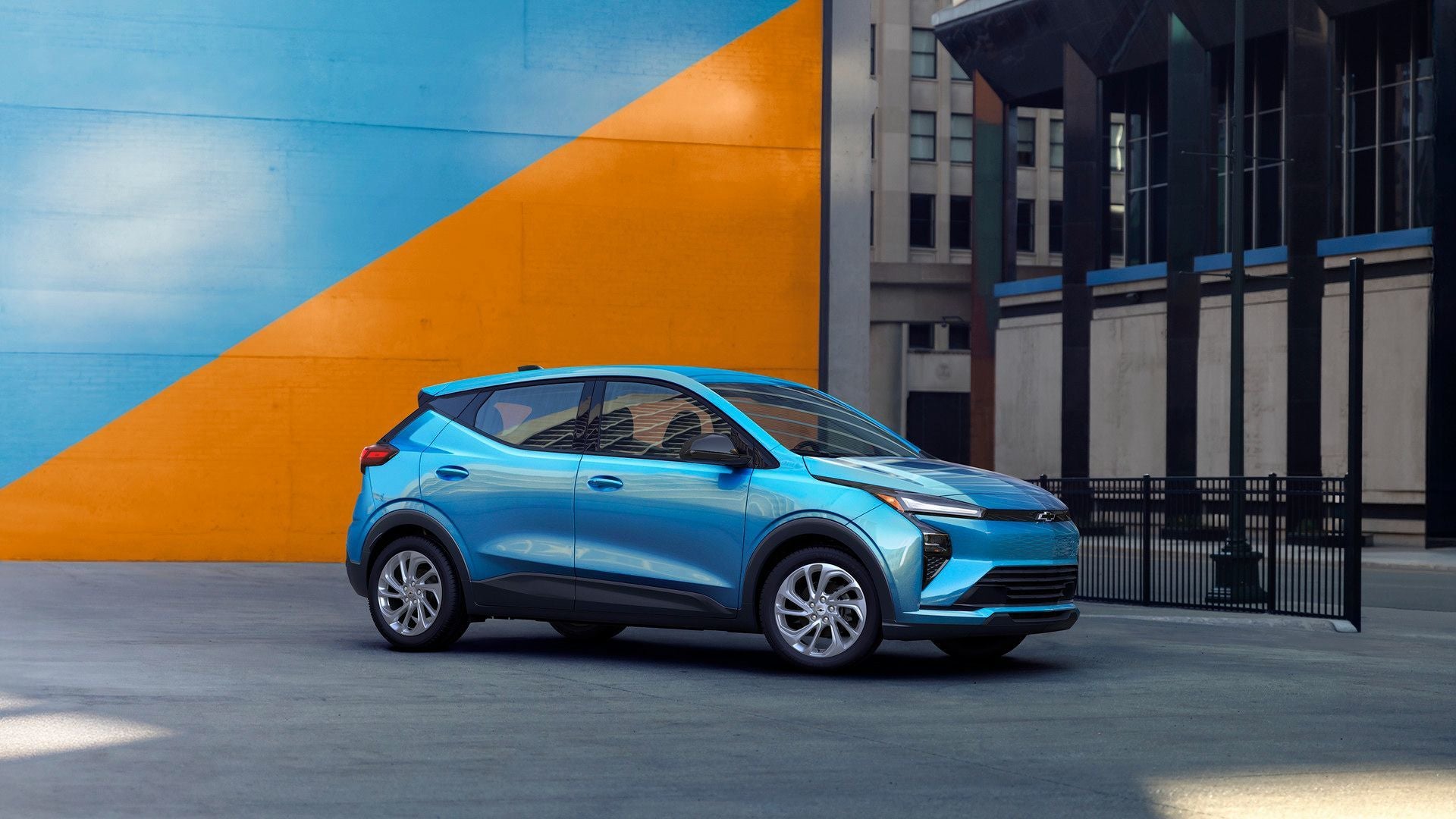
2027 chevy bolt

Why Your Chevy EV Isn't Charging

You plugged in your Chevy EV, walked inside, and expected to wake up to a full battery. Instead, nothing happened. Whether you drive a Bolt EV, an Equinox EV, or a Silverado EV, a charging issue can feel alarming fast. Most of the time, the fix is simpler than you'd expect. This guide covers the most common reasons your Chevy EV isn't charging, starting with the easy stuff and working toward the problems that genuinely need professional attention. If you'd rather skip the troubleshooting and have one of our Certified Service technicians take a look, you can schedule service at Turan-Foley Chevrolet anytime. more Start Here: Quick Checks Before You Worry About a Repair Before jumping to conclusions, run through a few basics. Check that your Chevy EV is fully in park, since some models will not initiate charging unless the transmission is properly set. Confirm the charge port door is fully open and that nothing is physically blocking the connector from seating correctly. Also verify that your home circuit breaker hasn't tripped. These small details cause a surprising number of "why is my Chevy EV not charging" moments and take only seconds to rule out. Step 1 — Disconnect and Reconnect the Charging Plug A loose or improperly seated connector is one of the most frequent causes of a failed charge session. The connection between your Chevy EV and the charger needs to be firm and complete to allow power to flow. If the plug was rushed in at an angle or bumped after being connected, the session may have never actually started. How to Properly Reseat the Connector Unplug the charging cable completely from the vehicle's charge port. Inspect both the plug and the port opening for debris, moisture, or visible corrosion. Firmly reinsert the connector until you hear or feel a click confirming a secure latch. Avoid pulling the cord at any angle once seated, since tension on the cable can break the connection. If the port feels stiff or the connector is difficult to seat, do not force it. Inspect the port carefully before trying again. What the Charge-Status Light Is Telling You The charge-status indicator light on the top/center of your EV's instrument panel communicates whether the vehicle is actively charging, done charging, or flagging an error. A flashing green light means the vehicle is connected and the battery is actively charging. A solid green light means charging is complete. If the indicator shows an error state, this often points to a connection issue between the vehicle and the EVSE, meaning the two could not establish proper communication. A flashing red light signals a problem that may require further diagnosis or a visit to our service department. Step 2 — Confirm Your Chevy EV Is Not Set to Delayed Charging Delayed charging is a useful feature that lets you schedule charging during off-peak electricity hours to save money. But it also means your Chevy EV can sit plugged in for hours without drawing any power, which is easy to forget. If you set a schedule and later found your Bolt EV or Equinox EV wasn't charging, a delayed-charge setting is often the culprit. How to Check and Clear a Scheduled Charge in the myChevrolet App Open the myChevrolet app and go to the charging settings for your vehicle. Look for any active charging schedule and check whether "Departure Time" or "Off-Peak Charging" is enabled. If you need to charge immediately, tap the option to charge now to override the schedule. You can also clear the schedule from the infotainment screen inside the vehicle. The session should begin within a few moments of confirming the change. Step 3 — Rule Out Home-Outlet and Cord Problems When it comes to Chevy EV charging issues at home, the setup matters as much as the car itself. A standard 120-volt household outlet can charge most Chevy EVs, but it charges slowly and can be sensitive to electrical issues in your home. A Level 2 home charger, which runs on 240 volts, delivers faster results but requires proper installation. Either way, problems with your outlet or EVSE can mimic a car-side fault and mislead your diagnosis. Why Chevy Says to Avoid Extension Cords and Power Strips Using extension cords, power strips, or adapters when charging your Chevy EV is genuinely risky. These accessories are not rated for the sustained electrical load that EV charging demands. They introduce resistance and inconsistency into the power supply, which can cause overheating, tripped breakers, or damage to your onboard charger. Chevrolet specifically advises against all of them. Always plug your charging cable directly into a dedicated wall outlet or a hardwired Level 2 charging unit. How to Test Whether Your Outlet or EVSE Is Delivering Power If you suspect a charging station isn't sending power, plug a different appliance into the same outlet to confirm it receives power at all. For Level 2 chargers, check the unit's indicator lights, since most EVSEs display faults or readiness through their status lights. If you see a message indicating the charge station is not powered, the issue is most likely with the outlet or charger rather than the car. Resetting your circuit breaker and the EVSE unit often resolves this quickly. If you've ruled out home-side issues and your Chevy EV is still not charging, our service department can run a full diagnostic on the vehicle's charging system. Step 4 — Cold-Weather Charging Issues and What to Do Cold temperatures affect EV batteries in real ways. Lithium-ion cells charge more slowly and less efficiently when cold, and some Chevy EVs will automatically limit charging speed to protect the battery in low temperatures. If your car seems to be charging unusually slowly or not at all during a cold snap, the weather itself may be the explanation. Ice or Snow Blocking the Charge Port Ice buildup around the charge port is a straightforward but often missed issue. Even a thin layer of ice can prevent the connector from seating fully, breaking the electrical connection before charging can begin. Always clear ice and snow from the charge port area before attempting to plug in. Never use sharp tools to chip away ice near the port. Pouring warm water carefully over the port opening is a safer approach when conditions have been especially harsh. Using Battery Preconditioning Before a Fast-Charge Session Battery preconditioning warms the battery to an ideal temperature range before charging begins, which makes DC fast-charging significantly more effective in cold weather. On supported Chevy EV models, you can activate preconditioning by tapping the Charging App icon on the vehicle's center display and selecting Fast Charge Prep from the Settings menu. On vehicles with Google built-in, routing to a DC fast-charging station using in-vehicle Google Maps can also trigger automatic preconditioning. The car will begin warming the battery automatically before you arrive. We recommend using this feature regularly during winter months if you rely on public fast chargers along the Mississippi Gulf Coast. When the Problem Is Not a Quick Fix: Warning Signs to Watch For Some charging issues point to a deeper problem that simple troubleshooting won't resolve. If you consistently see a Chevy EV charging interrupted message after ruling out the steps above, something within the charging system may need inspection. A few specific warning signs deserve prompt professional attention: A flashing red charge indicator that reappears after resetting. Repeated charging interruptions with no obvious cause. An EV warning light on the dashboard alongside a charging fault. A charge port that no longer latches or releases properly. Visible damage to the charge port or connector. These are not DIY situations. High-voltage EV components require trained technicians with proper tools and safety equipment. Attempting repairs on these systems without that background creates serious safety risks. Schedule EV Diagnostics at Turan-Foley Chevrolet If you've worked through each step and your Chevy EV still isn't charging the way it should, our Certified Service team at Turan-Foley Chevrolet in Gulfport is ready to help. Our technicians work on Chevy EVs regularly and have access to GM-approved diagnostic tools designed specifically for these vehicles. What Our Service Team Can Do We can run a full diagnostic on your vehicle's charging system, handle charging component repairs, and source genuine GM parts when needed. Whether you're dealing with a Bolt EV charging fault, an Equinox EV that won't initiate a session, or a Chevy EV warning light that keeps returning, we have the equipment and training to find the cause. Service Hours and How to Reach Us Our service department serves drivers throughout Gulfport and the Mississippi Gulf Coast with the following hours: Monday through Friday: 7:00 am to 7:00 pm Saturday: 7:00 am to 4:30 pm Call our service team directly at 228-206-0327, or schedule your EV diagnostic appointment online at your convenience. You can also contact us with any questions before your visit. We're here to get you back on the road with confidence.

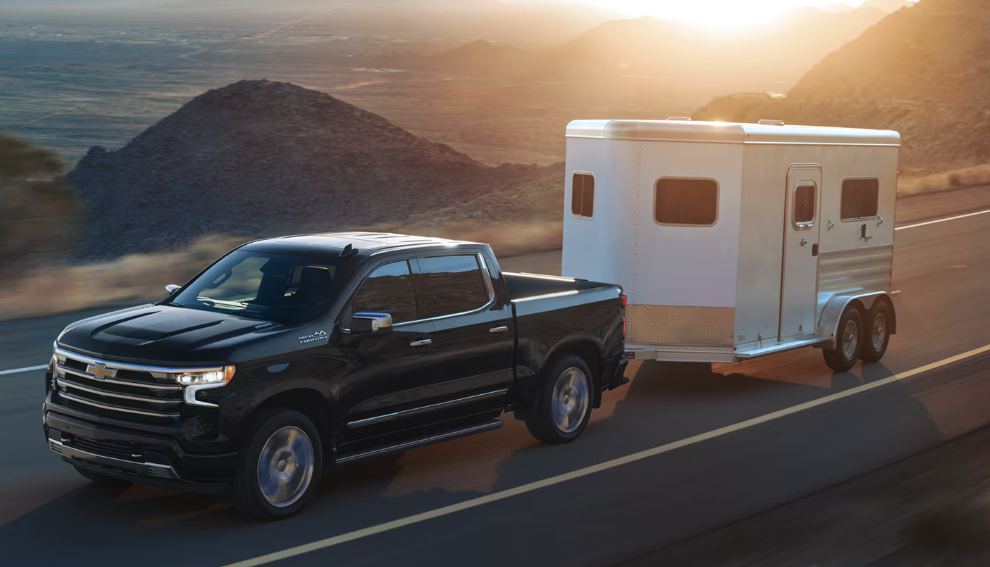
2026 Silverado towing a trailer

What's New With the 2027 Chevy Silverado

Big Changes Are Coming to Chevy’s Full-Size Pickup The Chevrolet Silverado has always been built around a simple idea: give truck shoppers the strength, confidence, and everyday usability they need without making the truck feel like a one-purpose machine. For 2027, Chevy is pushing that formula forward in a major way. The next-generation Silverado 1500 brings a redesigned exterior, a more advanced cabin, updated powertrain options, and a reshaped trim lineup that gives Gulf Coast drivers more ways to find the right truck for work, recreation, and family life. That matters here in Gulfport, where a pickup may need to handle weekday jobsite duty, weekend boat towing, supply runs up Highway 49, and family drives along the coast. If you are already comparing full-size trucks, the 2027 Silverado is worth watching closely. While some details, including final pricing, are expected closer to launch, Chevrolet has already shared several important updates that show how much is changing. When you are ready to compare current options, you can browse the new Chevy Silverado 1500 trucks for sale in Gulfport, MS at Turan-Foley Chevrolet. more A Completely Redesigned Silverado 1500 The biggest news is that the 2027 Chevy Silverado 1500 is not just getting a light refresh. Chevrolet describes it as a next-generation truck with a redesigned look inside and out. The exterior has a bolder stance, a stronger front-end design, updated lighting, and more trim-specific personality across the lineup. It still looks unmistakably like a Silverado, but the details are more modern and more premium than before. For truck shoppers, that exterior update is about more than curb appeal. A Silverado has to look right on a construction site, in a marina parking lot, outside a Gulfport restaurant, and in the driveway at home. The new design aims to keep that work-ready character while giving the truck a more confident, current appearance. Available features like signature LED lighting, dual exhaust on select trims, and updated exterior accents help each model feel more distinct. New V8 Power Joins the Lineup Chevy truck shoppers often care deeply about what is under the hood, and the 2027 Silverado brings notable powertrain news. Chevrolet has announced four engine choices for the next-generation Silverado 1500, including an upgraded TurboMax engine, the Duramax 3.0L Turbo-Diesel, and two all-new V8 engines: a 5.7L V8 and a 6.6L V8. That engine lineup gives the Silverado a broad range of appeal. Some drivers want a capable everyday truck that balances strength and efficiency. Others want diesel torque for long-distance confidence. Plenty of Silverado loyalists still prefer the feel and sound of a V8, especially when towing, hauling, or driving a full-size truck every day. The addition of new V8 options is one of the most important updates for shoppers who want traditional Chevy truck muscle with modern engineering. If you are not waiting for the next-generation truck and want to compare current Silverado availability, Turan-Foley Chevrolet can help you look at in-stock trucks, current programs, and other new Chevy trucks for sale in Gulfport, MS. A More Modern Silverado Interior The 2027 Silverado also takes a big step forward inside the cabin. Chevrolet has announced a new digital cockpit with a standard 16.3-inch center display and a 12.2-inch Driver Information Center across the lineup. That is a major upgrade for drivers who use their truck as a mobile command center during the workday or as a road-trip vehicle on the weekends. For Gulf Coast drivers, that larger screen space can make daily life easier. Navigation, media, trailering information, vehicle settings, and connected features are all easier to access when the interface is clean and visible. Available features like a front passenger screen, dual wireless charging, a reconfigurable Multi-Flex center console, and a panoramic sunroof on select trims make the cabin feel more flexible and more upscale. This is especially important because many truck owners spend serious time in their vehicles. A Silverado may be the place where you answer calls between appointments, check directions before heading toward Biloxi or Long Beach, or relax after a long day on the job. The 2027 model’s updated cabin gives the truck a more refined feel without moving away from its practical roots. Super Cruise With Trailering Availability Technology is becoming a bigger part of the full-size truck conversation, and the 2027 Silverado leans into that shift. Chevrolet has confirmed expanded availability for Super Cruise driver assistance technology with trailering. For shoppers who regularly tow a boat, trailer, camper, or equipment, that is an important feature to have on the radar. Of course, trailering confidence still starts with choosing the right truck configuration. Engine, cab style, bed length, axle ratio, equipment, and trailer weight all matter. That is why it helps to work with a dealership that can walk through your real-world needs instead of treating every Silverado shopper the same. If you plan to tow around Coastal Mississippi, the team at Turan-Foley Chevrolet can help you compare Silverado options based on how you actually plan to use your truck. Seven Silverado Trims for 2027 The 2027 Silverado lineup is also being reorganized. Chevrolet has announced seven models: WT, Custom, Custom Trail Boss, Silverado, Trail Boss, ZR2, and High Country. One key change is that “Silverado” becomes a trim name, replacing what many shoppers previously knew as LT. That gives the lineup a cleaner structure. WT remains the practical work-focused choice. Custom adds style and value. Custom Trail Boss and Trail Boss appeal to shoppers who want factory-lifted capability and a tougher look. ZR2 continues as the off-road flagship, while High Country sits at the top of the lineup with the most premium design and technology. The Silverado trim in the middle of the range should appeal to drivers who want a strong mix of comfort, capability, and everyday usability. More Attention on Off-Road Capability Chevrolet is also putting a clear spotlight on off-road-ready trucks. For 2027, the Silverado lineup includes three lifted trims: Custom Trail Boss, Trail Boss, and ZR2. That is a smart move for shoppers who want a truck that can handle more than pavement without needing to jump straight into aftermarket upgrades. The ZR2 is especially notable. Chevrolet has described it as the most off-road-capable Silverado ZR2 yet, with features such as a factory lift, 35-inch mud-terrain tires, front and rear electronic locking differentials, and Multimatic DSSV dampers. For drivers who spend time on rougher jobsite roads, rural property, hunting land, or weekend trails, that kind of factory-built capability can be a major advantage. High Country Gets a More Premium Feel At the other end of the lineup, the 2027 Silverado High Country is designed for truck buyers who want capability and comfort in the same package. Chevrolet has previewed a more premium High Country interior with elevated materials, distinctive trim, available advanced display technology, and a more refined design approach. This trim makes sense for shoppers who use their truck for everything. It can still be a serious pickup, but it also needs to feel comfortable on longer drives, business lunches, family trips, and nights out along the Coast. For many Silverado shoppers, High Country is the answer when they want full-size truck strength without giving up the kind of comfort and technology expected from a modern flagship model. Should You Wait for the 2027 Silverado? Whether you should wait depends on what you need from your next truck. If you want the newest Silverado design, the latest cabin technology, the updated trim lineup, and the new V8 options, the 2027 Silverado is worth following closely. It represents a major step forward for Chevy’s full-size truck lineup. On the other hand, if you need a truck now for work, towing, family use, or daily driving, waiting may not be the best move. Current Silverado 1500 models continue to offer strong capability, proven configurations, and available offers that can make sense for shoppers who are ready to buy or lease sooner. You can review current opportunities on the Chevrolet new car specials in Gulfport, MS page or explore broader new Chevy inventory online. Get Ready for the Next-Generation Silverado in Gulfport The 2027 Chevy Silverado brings exactly the kind of changes truck shoppers notice: stronger design, new engine choices, a more advanced interior, expanded technology, more off-road choices, and a clearer trim lineup. It is still built around the Silverado strengths people expect, but it brings them into a new generation with more screen space, more available comfort, and more ways to match the truck to your life. For drivers in Gulfport, Biloxi, Long Beach, Ocean Springs, and across the Mississippi Gulf Coast, that makes the next-generation Silverado one of Chevy’s most exciting upcoming releases. If you are planning ahead, Turan-Foley Chevrolet can help you stay informed about availability, compare current Silverado models, value your trade through the KBB Instant Cash Offer tool, or start reviewing options with the Chevrolet finance center in Gulfport, MS. You can also use the custom order page to begin exploring the type of Chevy vehicle that fits your needs. When you are ready to learn more, visit Turan-Foley Chevrolet in Gulfport, MS. Whether you are waiting for the 2027 Silverado or shopping for a Chevy truck today, our team is here to help you find a pickup that feels ready for the way you drive, work, and live on the Gulf Coast.

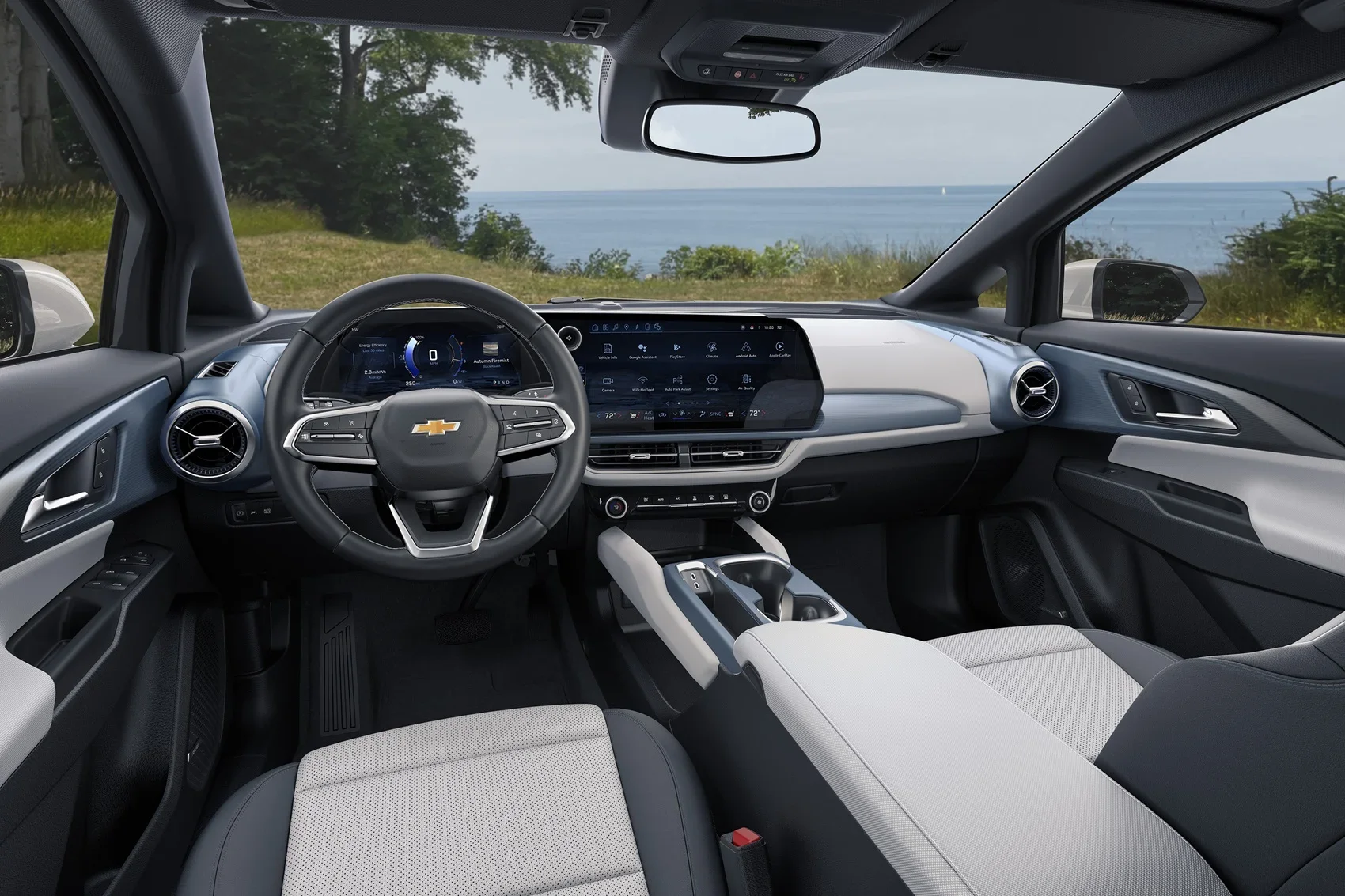
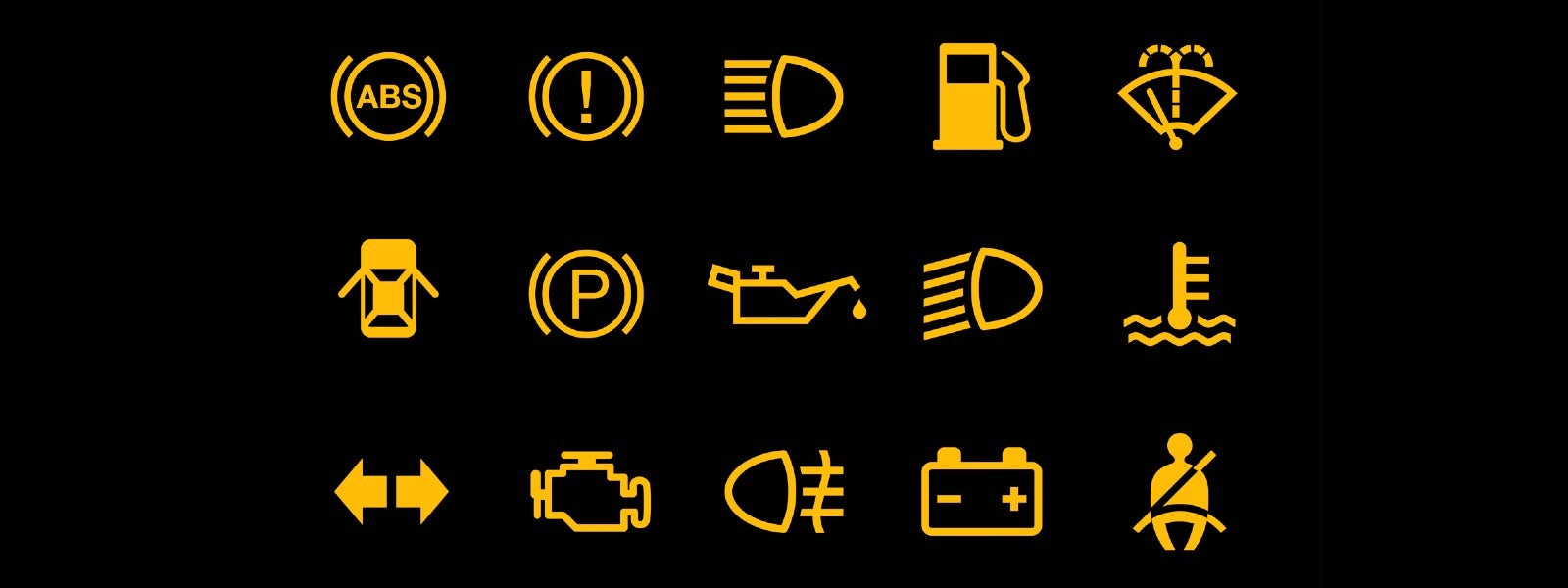
interior dashboard of a chevy equinox showcasing chevy stabilitrak

What is Chevrolet Stabilitrak?

Your Chevy does a lot of work behind the scenes to keep you safe, and most of it happens without you ever noticing. One of the most important systems doing that quiet work is StabiliTrak. Whether you've seen its light flicker on your dashboard or you're simply curious about what the technology actually does, understanding how it works can help you drive with more confidence and respond wisely when something goes wrong. more If you have questions or concerns about your vehicle's stability control, our Chevy service department is here to help. What Is Chevrolet StabiliTrak? StabiliTrak is Chevrolet's proprietary electronic stability control system, built specifically to help drivers maintain control when road conditions or vehicle behavior become unpredictable. The system monitors key driving variables, including steering input, wheel speed, and yaw rate, to detect when the vehicle starts behaving differently than the driver intends. Once it spots a discrepancy, it steps in automatically, often before the driver is even aware anything has gone wrong. StabiliTrak is more than a passive safety feature. It's how Chevrolet builds vehicles that actively protect the people inside them. The system is integrated across most Chevrolet models, including the Silverado 1500, Equinox, and Tahoe, and it plays a significant role in how those vehicles handle when conditions get difficult. How StabiliTrak Works to Keep You in Control Understanding what StabiliTrak actually does means getting familiar with how it processes information in real time. The system uses a network of sensors to gather data about what the vehicle is doing and compares that against what the driver is asking it to do. The gap between those two things is where StabiliTrak earns its keep. When the system detects a discrepancy, it responds almost instantly, reducing engine torque and applying brake pressure to specific individual wheels to redistribute grip where it's needed. This happens in fractions of a second, which is a big reason StabiliTrak is one of the more responsive safety systems on any modern Chevrolet. Monitoring Your Steering Input and Vehicle Response StabiliTrak never stops watching. It tracks your steering angle via the steering angle sensor and compares your intended direction to the vehicle's actual movement, as measured by wheel speed sensors, a yaw rate sensor, and lateral accelerometers. If your car starts to drift or slide in a way that doesn't match your input, the system flags it as a potential loss of control. This continuous monitoring is especially valuable on the Gulf Coast. Rain-slicked roads and fast-moving traffic on I-10 can both create unpredictable driving conditions, and summer storms only add to that. StabiliTrak can react faster than any driver could on their own, and that speed matters. How the System Corrects a Loss of Control When StabiliTrak identifies instability, it activates corrective measures almost immediately. It modulates brake pressure on specific wheels to help realign the vehicle with the driver's intended path while simultaneously reducing engine torque to prevent further skidding. These two actions working together help bring the vehicle back in line, correcting both understeer and oversteer without requiring input from the driver. That rapid, targeted response is what makes StabiliTrak so valuable during emergency maneuvers or hurricane-season weather. The system takes corrective action on its own, adding real protection in situations where every fraction of a second counts. StabiliTrak and Traction Control: How They Work Together StabiliTrak and traction control are frequently mentioned together, but they're not the same thing. Traction control (TCS) focuses specifically on preventing wheel spin during acceleration, stepping in when a wheel loses grip as you pull away from a stop or push through a turn. StabiliTrak handles the bigger picture, managing overall vehicle stability through yaw control and braking adjustments across all driving conditions. Think of them as two members of the same team with different roles. TCS targets wheel spin; StabiliTrak addresses what happens when the whole vehicle starts moving in a direction you didn't intend. It's also worth knowing that turning off StabiliTrak on your Chevrolet also disables TCS, so both layers of protection are reduced when the system is switched off. Reading Your StabiliTrak Dashboard Lights Dashboard lights can feel confusing, especially when they appear suddenly during a drive. With StabiliTrak, there are distinct lights you may see, and they communicate very different things. Knowing what each one means helps you respond appropriately rather than guessing. Light Type What It Means / What to Do Flashing StabiliTrak light System is actively intervening to correct instability. This is normal operation on slippery or low-traction surfaces. No action needed unless it becomes persistent. Solid "Service StabiliTrak" warning A fault has been detected. The system may be partially or fully unavailable. Restart the vehicle; if the warning remains, schedule diagnostic service promptly. Traction control light TCS is active or has been manually disabled. If it comes on without driver input, it may signal a shared sensor fault affecting both TCS and StabiliTrak. The Flashing StabiliTrak Light: The System Is Active When the StabiliTrak light flashes while you're driving, that's actually good news. It means the system has detected instability and is actively working to correct it, doing exactly what it was designed to do. If you see it flash briefly on a wet road or during a sharp turn, StabiliTrak is earning its keep. It will typically stop flashing once the vehicle has stabilized. The Service StabiliTrak Warning Light: Action Required A "Service StabiliTrak" warning tells a different story. When this message appears, the system has detected a fault and is alerting you that something isn't working properly. This warning often shows up alongside ABS alerts, because many of these safety systems share sensors and components. It means the vehicle's stability features may be compromised, and professional attention is needed. Ignoring this warning is not a safe choice. While your vehicle may still drive, it won't have the full protection that StabiliTrak normally provides. Getting a diagnostic check done promptly is the right move. Common Causes of a Service StabiliTrak Warning A service warning doesn't always point to a major mechanical failure. In many cases, the root cause involves a sensor or component that can be repaired without extensive work. That said, identifying the exact cause requires proper diagnostic equipment, since StabiliTrak is deeply integrated with several other vehicle systems. Wheel Speed, Steering Angle, and Sensor Faults Two of the most frequent culprits behind a service warning are wheel speed sensors and steering angle sensors. When these sensors malfunction, they can cause inaccurate readings, resulting in either a false activation of StabiliTrak or a failure to engage when it should. Electrical issues like low battery voltage can also disrupt communication between sensors and the StabiliTrak module, triggering warnings without any mechanical damage. This is why a full diagnostic check is more useful than a simple visual inspection. Brake System and Engine-Related Issues The braking system has a direct relationship with StabiliTrak, since the system relies on applying precise brake pressure to individual wheels. ABS module failures or brake-system issues affecting ABS communication can interfere with this process and generate a service warning. Engine-related problems, particularly throttle body malfunctions, can also cause issues, since StabiliTrak sometimes reduces engine torque as part of its correction process and a throttle body that isn't responding correctly can prevent the system from working as intended. What to Do When the StabiliTrak Warning Light Stays On If the warning light comes on and stays on, the first reasonable step is to pull over safely, turn off the engine, and wait a minute before restarting. In some cases, a temporary glitch can trigger the warning, and a quick reset may clear it. If the light returns after restarting, the issue is more persistent and needs professional attention. Driving with the warning active may feel normal in the moment, but without full StabiliTrak function, your vehicle won't respond as effectively during unexpected situations. Repair costs vary depending on the root cause. A sensor swap is generally straightforward; ABS module or throttle body work tends to be more involved. Either way, a proper diagnosis matters before any parts are replaced. How to fix StabiliTrak properly depends entirely on what's causing the fault. A certified technician with the right diagnostic tools can pull fault codes, identify the specific component that triggered the warning, and recommend the appropriate repair. If you'd like to get in touch with us before scheduling, our team is happy to answer questions and help you understand your options. Schedule StabiliTrak Diagnostics at Turan-Foley Chevrolet Buick If your StabiliTrak light is on or you're experiencing stability-related concerns, we're ready to help at Turan-Foley Chevrolet Buick, located at 11123 Hwy 49N in Gulfport, MS. Our factory-trained Chevrolet technicians have GM-certified diagnostic equipment to accurately identify StabiliTrak faults, not just clear codes. We stock genuine GM parts, so when a sensor or ABS module needs replacing, we're not waiting on an order. We've also been serving the Gulfport area and the broader Mississippi Gulf Coast for over 50 years, and that kind of history means something to how we treat people. Don't wait on a solid Service StabiliTrak warning. Schedule a service appointment today and get back on the road with your full safety system working as intended.

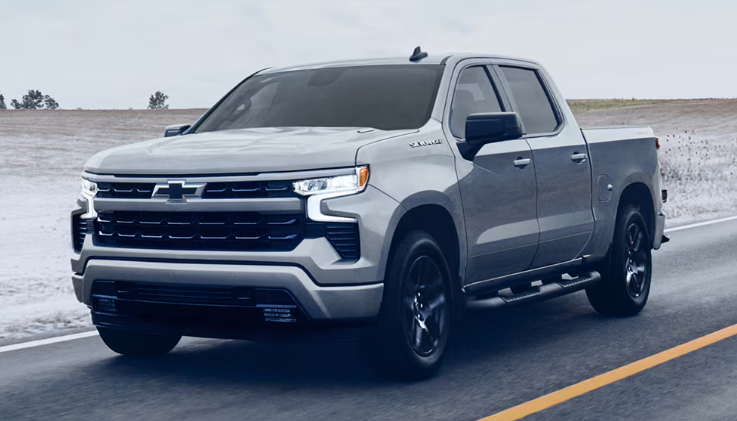
2026 Silverado driving in the snow

Chevy LT vs. LTZ: What’s the Difference?

Shopping for a new Chevrolet is exciting, but picking the right trim level can feel surprisingly tricky. You've probably noticed the letters "LT" and "LTZ" on window stickers, model pages, and dealer lots and wondered what they actually mean for your driving experience. Whether you're eyeing a Silverado 1500, Equinox, or Traverse, understanding the difference between these two trims before you sign is worth your time. We invite you to browse our new Chevy inventory at Turan-Foley Chevrolet Buick while you read through this breakdown. more One thing many shoppers don't realize at first: LT and LTZ are trim designations applied across multiple Chevrolet models, not standalone model names. The specific features included at each level vary from vehicle to vehicle, which is why understanding the general pattern and then looking at the model that interests you matters. What LT and LTZ Actually Mean in the Chevy Lineup LT stands for Luxury Touring. It marks Chevrolet's mid-range trim level, sitting above base options like the LS or Work Truck and offering a noticeable step up in features without pushing into premium territory. Well-equipped without going overboard is a fair description. LTZ goes a step further. It is widely described as standing for Luxury Touring Z, with the "Z" historically signaling a top-of-the-line position within the lineup. LTZ is Chevy's higher-end experience before you reach special editions or flagship configurations. You get upgraded materials, better technology, and more standard features that would otherwise cost extra on the LT. In practical terms, LT is your solid middle-ground option. LTZ is for the buyer who wants more of everything without crossing into fully custom territory. How LT and LTZ Generally Compare Across Chevrolet Models Across most Chevrolet vehicles, the gap between LT and LTZ follows a consistent pattern. LT delivers solid, everyday functionality. LTZ refines that foundation with premium touches that are hard to overlook once you've experienced them. The differences run deeper than cosmetics, touching the steering wheel feel, seat materials, infotainment quality, and safety tech throughout the cabin. Interior Comfort and Materials Step inside a Chevy LT and you'll find durable cloth seating with a clean, practical layout. It gets the job done and holds up well for daily use. The LTZ interior is a different experience. Leather-appointed seats, available heated and ventilated options, and more refined trim materials elevate the cabin immediately. Many LTZ models also include memory settings for the driver's seat and upgraded audio systems, which make a real difference on longer drives. For buyers who spend a lot of time behind the wheel, whether commuting through Gulfport or hauling family across the Gulf Coast, those interior upgrades add genuine comfort rather than just bragging rights. Technology, Infotainment, and Safety Features Both trims include Apple CarPlay and Android Auto connectivity, so smartphone integration isn't an exclusive feature. LTZ tends to go further with larger touchscreen displays, premium audio options, and more USB ports throughout the cabin. On the safety side, features like blind-spot monitoring and rear cross-traffic alerts are often standard on the LTZ, while they may only be available as paid add-ons on the LT. This is where the comparison gets especially practical. If advanced driver-assistance systems matter to you, the LTZ frequently delivers them without stacking on extra options packages. Chevy Silverado 1500 LT vs. LTZ: A Closer Look The Silverado 1500 is where this comparison gets most useful for truck buyers. The table below shows how the two trims compare on the current model year: Trim Seating/Interior Wheels & Exterior Camera & Park Assist Driver-Assist Safety Other Convenience LT Standard cloth upholstery Standard wheels Rear vision camera Standard Chevy Safety Assist Baseline LT convenience features LTZ Leather-appointed seating 20-inch wheels, LED lighting HD Surround Vision, front and rear park assist Trailer side blind zone alert, rear cross-traffic braking Power-folding mirrors, power sliding rear window One important note on performance: trim level alone does not change the base engine on the Silverado 1500. The LTZ does unlock access to optional higher-output engines that aren't available at lower trim levels. If towing capacity is a priority, that opens the door to powertrain upgrades that genuinely impact what the truck can handle. It's a distinction that's easy to miss when comparing trims purely on spec sheets. The Silverado LT is a capable truck suited for daily driving and weekend hauling. The Silverado LTZ adds interior refinement, a wider safety suite, and access to powertrain options that stack up quickly in real-world use, especially if you regularly pull a boat, trailer, or equipment along the coast. If you'd like to schedule a test drive in both trims back to back, our Gulfport team can make that happen. Not Every Chevy Offers Both Trims Not every Chevrolet model offers both LT and LTZ trims, and this is worth knowing before you get too deep into the comparison. The LTZ designation is most common on trucks and larger SUVs. The Tahoe, for example, is available in LS, LT, RST, Z71, Premier, and High Country trims for the current model year. There is no LTZ on the Tahoe. If you're shopping a Tahoe, the relevant comparison shifts to LT vs. Premier or LT vs. High Country. Before settling into this comparison for a specific vehicle, it's worth confirming which trims are actually available for that model. We're happy to walk you through the current lineup on any Chevy you're considering. Is the LTZ Worth It Over the LT? It depends entirely on what you need. The LTZ is not automatically the better choice for every buyer. If you're purchasing a Silverado LTZ to access a higher-output engine for serious towing or frequent hauling, the upgrade makes practical sense. If you regularly take long family road trips, the leather-appointed seating, HD Surround Vision, and expanded safety suite deliver real value over the miles. If you primarily want a work truck for daily use and don't plan to use the advanced features regularly, the LT gives you everything you need without the added cost. One thing worth knowing: the LTZ bundles safety features, technology upgrades, and interior improvements together. Trying to add those same features individually as options on an LT often costs more than simply stepping up to the LTZ from the start. But if you won't use them, that math changes. LT or LTZ: Which Trim Is Right for You? Consider the LT If… You want a dependable, well-featured vehicle without paying for extras you won't regularly use You use your truck primarily for daily commuting, light hauling, or family driving around Gulfport You prefer a more straightforward feature set and lower monthly payment You're a fleet buyer or work-truck user focused on reliability over cabin refinement Consider the LTZ If… You drive long distances frequently and want a cabin that holds up in comfort over hours You need access to optional higher-output engines for towing or heavy payloads You want advanced safety features like HD Surround Vision and trailer side blind zone alert as standard equipment You're buying a family vehicle and want the more refined interior for road trips along the Gulf Coast Frequently Asked Questions About Chevy LT and LTZ What does LT stand for on a Chevy? LT stands for Luxury Touring. It's a mid-range trim designation used across multiple Chevrolet models, positioned above base trims like the LS or Work Truck and below higher-end configurations like the LTZ. What does LTZ stand for on a Chevy? LTZ is widely described as standing for Luxury Touring Z. The "Z" has historically indicated a top-of-the-line or performance-elevated position within the trim structure. That's the commonly cited explanation, though Chevrolet does not formally define the designation on current model pages. Is the LTZ better than the LT? The LTZ includes more standard features, upgraded interior materials, and expanded safety technology compared to the LT. For towing-focused buyers or drivers who want a more refined cabin, the LTZ delivers meaningful upgrades. For budget-conscious buyers or those who won't regularly use the added features, the LT is the smarter fit. It comes down to your priorities. Do all Chevy models offer an LTZ trim? LTZ availability varies by model. It's most common on trucks like the Silverado 1500 and select larger SUVs. The Tahoe, for instance, offers an LT trim but no LTZ. Always check the specific trim lineup for the model you're considering. What trim is above LTZ on the Silverado 1500? The High Country sits above the LTZ on the Silverado 1500. It adds premium features like exclusive interior materials, a unique exterior appearance package, and additional technology and convenience upgrades that go beyond what the LTZ includes. It's the top of the Silverado trim ladder. Compare LT and LTZ Models at Turan-Foley Chevrolet Buick Reading about trim levels only gets you so far. Sitting inside a Silverado 1500 LTZ versus an LT, or experiencing both on a drive through Gulfport, gives you a much clearer picture than any spec sheet can. At Turan-Foley Chevrolet Buick, we've been serving the Mississippi Gulf Coast community for over 50 years as a family-owned dealership. Our inventory includes a strong selection of new Chevrolet models across multiple trim levels, including Silverado 1500 trucks in both LT and LTZ configurations, as well as SUVs like the Tahoe, Traverse, Equinox, and more. We'll walk you through exactly what each trim includes on the specific model you're considering and help you find the right fit for your needs and lifestyle. Browse our new Chevy inventory online, schedule a test drive at our Gulfport location, or contact our team with any questions. We're at 11123 Hwy 49N, Gulfport, MS 39503, and ready to help you make the right call between LT and LTZ.

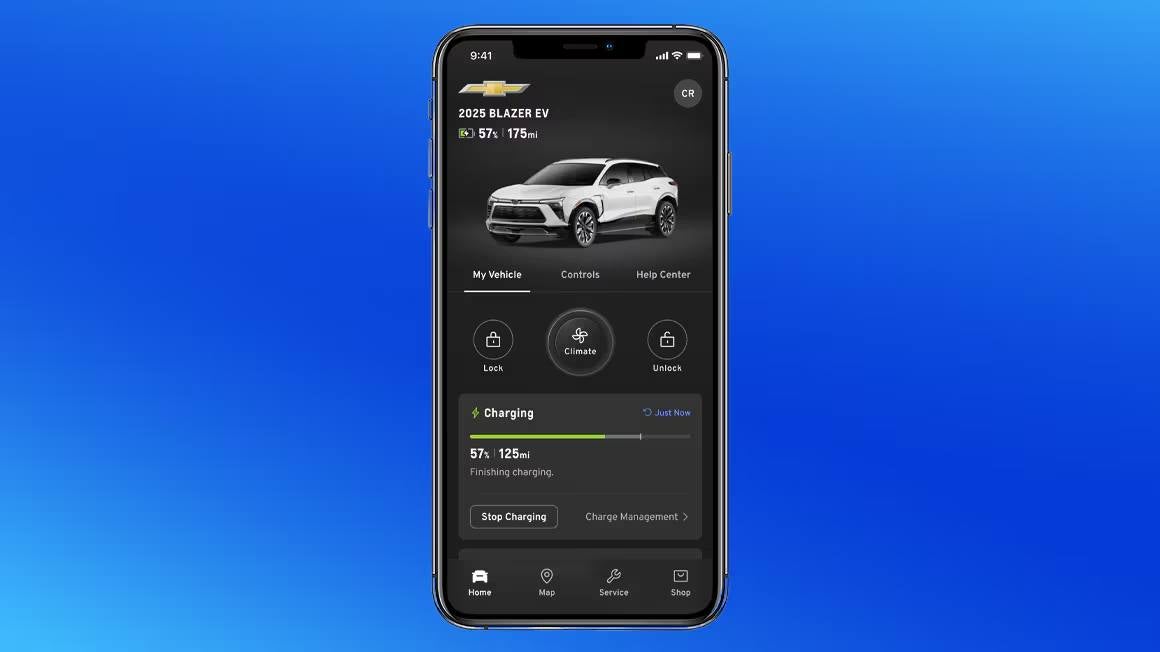
my chevy app on a phone

Does MyChevrolet App Work Without OneStar?

If you've recently picked up a new Chevrolet and noticed the myChevrolet app on your phone, you're probably wondering what it can actually do. Yes, the myChevrolet app works without an active OnStar subscription, but the experience is noticeably different depending on which features you're after. Knowing where that line falls can save you a lot of frustration. If you want to talk it through right away, feel free to contact our team at Turan-Foley Chevrolet in Gulfport, MS. more So, Does the myChevrolet App Work Without OnStar? The myChevrolet app works as both a standalone tool and a companion to OnStar's connected services. Without an active OnStar subscription, you can still access a solid set of features: maintenance tracking, service scheduling, and your digital owner's manual are all available. The more exciting capabilities, like remote start and emergency assistance, are tied directly to an active OnStar Connected Services plan. The app essentially has two tiers: a free layer that anyone with a GM account can use, and a connected layer that depends on OnStar's cellular and GPS technology. The table below shows exactly where the line falls. Available Without OnStar Requires Active OnStar Plan Download and use the app with a GM account Remote start / stop View digital owner's manual and how-to videos Remote lock / unlock Schedule service at a dealer Live vehicle location / stolen vehicle assistance Recall notifications for your VIN Send destinations to in-vehicle navigation myChevrolet Rewards points balance Automatic Crash Response and Emergency Services Maintenance reminders Roadside Assistance through the app Basic vehicle status display (varies by vehicle/setup) In-vehicle Wi-Fi Hotspot data What You Can Do With the myChevrolet App Without an OnStar Subscription Even without OnStar, the myChevrolet app delivers genuine value for everyday ownership. It pulls everything vehicle-related into one place, making it easier to stay on top of your car's needs. Maintenance Tracking, Owner's Manual, and Recall Lookup One of the most practical aspects of the app is how it surfaces maintenance information without requiring any connected services plan. You can check oil life, monitor tire pressure, view fuel levels, and receive alerts when your vehicle is due for service. The digital owner's manual replaces the printed booklet in your glove compartment. The recall lookup tool lets you check whether your specific vehicle has any outstanding safety recalls using your VIN. Both are available at no charge. Service Scheduling, myChevrolet Rewards, and Account Management The app makes it easy to schedule a service appointment at your preferred dealership without making a phone call. If you're a myChevrolet Rewards member, your points balance and account details are accessible right within the app as well. Managing your myChevrolet account, viewing service history, and receiving maintenance reminders all fall into this no-subscription tier. These features are available to any registered user, which makes the app worthwhile even if you never activate OnStar. Which Features Require an Active OnStar Connected Services Plan The most talked-about capabilities of the myChevrolet app require an active OnStar plan. These features turn your phone into a remote control for your vehicle and depend on the cellular connectivity and GPS technology that OnStar provides. Remote Commands: Start, Lock, Unlock, and Vehicle Status Remote start is probably the most frequently asked-about feature. To use it through the app, you need an active OnStar Connected Services plan. The same applies to remotely locking or unlocking your doors and checking real-time vehicle status, including door position and on-demand tire pressure updates. These commands are transmitted through OnStar's cellular network, not over Bluetooth or Wi-Fi. None of that works without an active connected services subscription. Location Tracking, Emergency Assistance, and Wi-Fi Hotspot Several safety and convenience features are also gated behind an active OnStar plan. Real-time location tracking, helpful if a vehicle is stolen or if you're monitoring a teen driver, requires OnStar. Emergency assistance, which connects you with a live advisor during accidents or medical emergencies, is unavailable without a subscription. The in-vehicle Wi-Fi Hotspot uses OnStar's connectivity to keep passengers connected on the road, and it also requires an active plan. These aren't features you can replicate through Bluetooth or the car's built-in infotainment system. Vehicle Eligibility and Account Syncing: Why Some Features May Still Be Unavailable Even with an active OnStar subscription, some features might not show up in your app. This usually comes down to vehicle eligibility and account syncing. Not every Chevrolet model supports every feature. Compatibility depends on the model year and the technology package installed at the factory. An older Silverado may not support the same remote features as a newer Equinox or Tahoe. Before assuming the app is malfunctioning, confirm that your vehicle's hardware actually supports the feature you're trying to use. Account syncing is another common culprit. If your VIN isn't correctly linked to your myChevrolet account, or if there's a mismatch in your account data, certain features may appear unavailable even when they should work. Verifying your account details and re-syncing your vehicle can often resolve these issues quickly. What Happens to Connected Features When Your OnStar Trial Expires New Chevrolet vehicle purchases come with a 1-month trial of OnStar One. If you purchase a plan within that 1-month trial, you receive an additional 2 months at no charge, for a total of up to 3 months. When that trial expires, the change is significant: remote start, vehicle tracking, emergency services, and the Wi-Fi Hotspot all stop working until you subscribe to a paid plan. What remains is the core free tier: maintenance tracking, service scheduling, recall lookup, myChevrolet Rewards access, and the owner's manual. The app doesn't disappear, but it loses quite a bit. If you relied on remote start during the trial, that drop in functionality will be noticeable. Whether to continue with a paid plan really comes down to how much you use those connected features. For drivers who use remote start regularly or value real-time vehicle status updates, a plan tends to make sense. For others, the free tier covers their needs just fine. How to Download and Set Up the myChevrolet App Getting started is straightforward. Follow these steps: Download the myChevrolet app from the Apple App Store or Google Play at no cost. Sign in with your existing GM account or create one using the email address you gave at the dealership. Add your vehicle by entering your VIN, found on your dashboard, door jamb, or registration paperwork. Complete any OnStar or connected-services pairing prompts if your vehicle supports them. After syncing, the app populates with your vehicle's information and displays which features are available based on your subscription status. If you run into any trouble during setup, your local dealership can walk you through it in person. Frequently Asked Questions About the myChevrolet App and OnStar Does every Chevrolet model support remote features through the app? No. Compatibility depends on the model year and factory-installed technology equipment. Newer vehicles like the Tahoe, Traverse, and Silverado 1500 are generally well-equipped for connected services, but older models may have limited support. Checking your vehicle's specifications or asking a dealership advisor will give you a clear picture of what's available for your specific vehicle. Can I use Bluetooth instead of OnStar for app connectivity? No. Bluetooth supports hands-free calling and media streaming inside the cabin, but it is not a replacement for OnStar's telematics. Remote commands, real-time vehicle status updates, and location tracking all depend on a cellular connection provided through OnStar. Bluetooth doesn't have the range or data capabilities to perform those functions remotely. Is the myChevrolet app free to download and use? Yes. The app is free to download, and the basic features, including maintenance tracking, the digital owner's manual, service scheduling, and myChevrolet Rewards access, are available at no charge. The features that require payment are those tied to an active OnStar Connected Services subscription, such as remote start and location tracking. Get Help Setting Up Your myChevrolet App If you've just purchased a new or pre-owned Chevrolet and want help getting the app up and running, we're here to help. At Turan-Foley Chevrolet Buick, we've been serving the Gulf Coast community, including Gulfport, MS, Biloxi, and the surrounding area, for over 50 years. If you need help syncing your vehicle, want to know which OnStar plan fits your driving habits, or have questions about connected features on your specific model, our factory-trained team can walk you through it. Stop by at 11123 Hwy 49N, Gulfport, MS 39503, or call us at (228) 206-0327 to get started.

chevy mylink on car screen

What Is Chevy MyLink? Features, Connectivity, and How Chevy Infotainment Works

Most drivers know they want a connected, intuitive cabin experience, but the terminology gets confusing fast. If you've searched "what is Chevy MyLink" and ended up with a jumbled mix of answers about older interfaces, newer upgrades, and app integrations, you're not alone. This guide breaks down exactly what the system is, how it works today, and what you can expect behind the wheel of a modern Chevrolet. If you'd rather see it in person, browse our new Chevrolet inventory to find the model and trim that fits your needs. more What Is Chevy MyLink? Understanding the Name and What It Means Today Chevy MyLink is Chevrolet's branded infotainment platform, built to put entertainment, connectivity, and navigation controls front and center on the vehicle's touchscreen. Chevrolet first introduced the system in 2011 with the Volt, then rolled it out across the broader lineup beginning with select 2012 model year vehicles. It runs on the QNX real-time operating system with Nuance voice recognition software, giving it a stable, responsive foundation that Chevrolet has kept building on ever since. The goal was pretty straightforward: give drivers a smarter, more connected cabin experience without overwhelming them. The system ties together audio, phone, navigation, and vehicle settings into one interface, and it earned a solid reputation for being approachable and reliable across many model years. From MyLink to Chevy Infotainment 3: How the System Evolved In 2019, Chevrolet rebranded the platform as Chevy Infotainment 3. This isn't a completely separate system; it's a refinement of the same platform, bringing a more responsive touchscreen, faster processing, expanded app integration, and wireless connectivity options that earlier generations didn't support. Wireless Apple CarPlay and Android Auto, now standard expectations for many buyers, are among the most notable additions in the Infotainment 3 era. Navigation became more refined, the interface grew cleaner, and the whole experience started feeling less like a feature you had to learn and more like a natural part of driving. Many drivers still search for "Chevy MyLink" simply because that's the name on their current vehicle, which is why it's worth knowing that both terms refer to the same evolving platform. Smartphone Integration: Apple CarPlay, Android Auto, and Bluetooth Apple CarPlay and Android Auto let your phone's interface display directly on the vehicle's touchscreen, giving you access to navigation apps, messaging, music, and calls without picking up your device. Wired pairing uses a USB cable for a stable connection and simultaneous charging. Wireless pairing, available on newer models, connects your phone automatically once it's in range. No cable required. Newer 2026 models offer wireless Apple CarPlay and Android Auto on most gas-powered vehicles. How to Connect Your Phone: Step-by-Step Bluetooth pairing: Put the vehicle in park and turn on the infotainment display. Tap the phone or settings icon on the home screen. Enable Bluetooth on your phone. Select your vehicle from the available devices list on your phone. Confirm the pairing code on both devices when prompted. Wi-Fi hotspot connection: From the home screen, navigate to Settings, then Wi-Fi Hotspot. Activate the hotspot and note the network name and password displayed. On your device, go to Wi-Fi settings and select the vehicle's network. Enter the password. The hotspot supports up to 7 devices simultaneously. Once paired via Bluetooth, your phone reconnects automatically every time you get in the car. Schedule a test drive and we can walk you through the full setup process in person. Core Features You Can Access Through Chevy Infotainment The Chevy infotainment system acts as the central hub for nearly everything inside the cabin, from audio and navigation to voice commands and connected services. Here's what the platform actually delivers. Audio, Streaming, and Radio Controls You can toggle between AM/FM radio, Bluetooth audio, USB-connected music libraries, and streaming services like Spotify or Apple Music through CarPlay or Android Auto. Pandora and Stitcher Radio are also accessible via touchscreen or voice command. Steering wheel controls and the center console both manage audio, and select vehicles include Bose Centerpoint surround sound for a noticeably upgraded listening experience. Navigation: Built-In GPS vs. Using Your Phone Built-in turn-by-turn GPS works independently of your phone and mobile data, with real-time traffic alerts and toll booth notifications built in. That's a genuinely useful backup for drivers in areas with spotty coverage along the Gulf Coast. Phone-based navigation through Apple Maps or Google Maps runs through CarPlay or Android Auto and offers constantly refreshed traffic data and rerouting. Having both options means you're covered either way. Voice Controls and Hands-Free Features Using the voice recognition button on the steering wheel, you can place calls, send texts, change audio sources, request directions, and adjust volume without lifting your hands. The system responds to natural language rather than rigid commands, which makes a real difference in day-to-day use. Paired with Siri through Apple CarPlay or Google Assistant through Android Auto, voice control becomes more capable still. Useful for everything from navigation requests to sending messages on a long drive. OnStar Integration Chevy infotainment works alongside OnStar to extend what the system can do for your safety and convenience. On equipped vehicles, that includes Automatic Crash Response, roadside assistance, vehicle diagnostics, access to live advisors, and turn-by-turn navigation support. These services connect directly through the infotainment interface, keeping everything accessible from the same screen you're already using. Infotainment 3 Tiers: What You Get at Each Level Chevrolet offers the Infotainment 3 platform across three tiers. The table below outlines what's confirmed at each level. System Screen Size Wireless CarPlay / Android Auto Built-In Navigation Wi‑Fi Hotspot Available On Infotainment 3 7-inch or 8-inch diagonal touchscreen (base trims) Standard on most 2026 models (varies by trim) No (smartphone projection only) Yes, available on most trims with active service plan Trax LS & 1RS (8-inch), Silverado 1500 base (legacy 7-inch on some work trucks), Trailblazer base, others Infotainment 3 Plus 8-inch or 10.2-inch HD diagonal touchscreen Standard on 2026 models Yes (U.S., Puerto Rico, Canada; requires active service + data plan) Yes, with active service plan Blazer (10.2-inch), Colorado, select Traverse & Silverado 1500 trims, Trax LT / 2RS / ACTIV (11-inch) Infotainment 3 Premium / Chevrolet Infotainment System with Google Built-In 11-inch to 13.4-inch HD diagonal touchscreen Standard on 2026 gas models with this system Yes (Google Maps via Google built-in; data plan required for some features) Yes, with active service plan 2026 Equinox (11.3-inch), Silverado 1500 LT+ (13.4-inch), Traverse, Tahoe, Suburban, Blazer EV, Equinox EV, others Apple CarPlay and Android Auto are standard across modern Chevrolet systems. Wireless capability is confirmed for 2026 model year vehicles on most gas-powered trims. For exact screen sizes and tier-specific feature details on a vehicle you're considering, contact our team for current information. The myChevrolet App: Not the Same as Your In-Car System The myChevrolet app and your in-car infotainment system are separate tools. The myChevrolet app is a smartphone application that gives you remote access to certain vehicle functions from anywhere: locking or unlocking doors, checking fuel level and tire pressure, starting the engine remotely on compatible vehicles, and scheduling service appointments. Think of it as an extension of your ownership experience rather than a mirror of your in-car display. Used together, the app and the infotainment system give you a much more complete picture of your vehicle's status and capabilities. Which Chevy Vehicles Include This Infotainment Technology The MyLink and Infotainment 3 platform has been integrated across a wide range of Chevrolet vehicles, including the Silverado, Equinox, Traverse, Malibu, Volt, Trax, and Colorado. Current models carry Infotainment 3 as either a standard or available feature depending on trim, with higher trims typically unlocking wireless CarPlay and Android Auto, larger touchscreens, and broader connected services. Since the available technology package varies by model and year, it's worth confirming which infotainment version comes with a specific trim before you buy. Browse our new Chevrolet inventory to see what's currently available at Turan-Foley and compare trims side by side. Come See Chevy Infotainment in Action at Turan-Foley in Gulfport Experience It in Person Reading about Chevy infotainment is useful, but getting behind the wheel tells a different story. At Turan-Foley Chevrolet Buick in Gulfport, MS, we're ready to walk you through the system on any vehicle that catches your eye, whether that's a Silverado built for work or an Equinox suited to daily drives around the Gulf Coast. What to Expect When You Visit We've been serving the Gulfport area as a family-owned dealership for over 50 years. You'll get straightforward answers about features, trims, and the technology that actually matters to your daily routine. No pressure, no confusion. We carry a wide selection of new Chevrolet models and certified pre-owned vehicles, with in-house financing available. Ready to Connect? If you have questions about infotainment features, want to compare Infotainment 3 tiers across models, or want to see how wireless CarPlay works before you commit, we're here to help. Stop by at 11123 Hwy 49N in Gulfport or contact our team and we'll get you sorted out.

meat being grilled at bbq restaurant

Best BBQ Restaurants in Gulfport, MS

Gulfport is the kind of place where a great meal can turn an ordinary afternoon into a full-on Gulf Coast outing. Between the downtown streets, the beach traffic, the short drives to Biloxi and Ocean Springs, and the steady smell of smoke coming from local pits, BBQ feels right at home here. Whether you are craving brisket, ribs, pulled pork, smoked chicken, or a plate full of sides, the Gulfport area has several places worth adding to your list. The next time you are planning lunch with friends, dinner after a beach day, or a casual stop before browsing new Chevrolet models in Gulfport, these BBQ restaurants are a good place to start. more Murky Waters BBQ Murky Waters BBQ is one of the easiest recommendations for anyone looking for barbecue in Gulfport. Located in Historic Downtown Gulfport near Fishbone Alley, this spot brings together slow-smoked meats, cold drinks, live music, and a relaxed local feel. It is a great choice when you want more than a quick meal and would rather sit down somewhere with personality. The menu covers plenty of BBQ favorites, including brisket, ribs, wings, pulled pork, BBQ nachos, sandwiches, and Southern-inspired starters. Murky Waters also fits the Gulf Coast mood well, with a setting that works for casual dinners, weekend hangouts, and nights when you want food and music in the same stop. McInnis 12 Bone BBQ McInnis 12 Bone BBQ is a local Gulfport favorite with a menu that goes beyond the basics. This is the kind of spot to consider when you want a hearty plate and a no-frills approach to comfort food. Ribs, brisket, pulled pork, smoked chicken, sausage, catfish, gumbo, shrimp, and other Southern staples all help make the menu feel like a blend of barbecue joint and Gulf Coast soul food stop. That variety is part of the appeal, especially if you are eating with a group that cannot agree on just one thing. For anyone who likes locally rooted restaurants with generous plates and familiar flavors, McInnis 12 Bone BBQ deserves a place on the list. Dickey’s Barbecue Pit Dickey’s Barbecue Pit brings a more familiar national BBQ name to Gulfport, making it a convenient option when you want a straightforward meal on a busy day. Located on Highway 49, it is especially easy to work into errands, lunch breaks, or a quick stop while driving through town. The menu focuses on Texas-style barbecue, with options like pork ribs, smoked brisket, brisket burnt ends, sandwiches, plates, and Southern-style sides. While it has a different feel from some of the smaller local spots, Dickey’s can be useful when you want consistency, catering options, or an easy meal for the whole family. It is also close to many of the same retail corridors Gulfport drivers already use. Fat Bottom BBQ Fat Bottom BBQ is located nearby in Biloxi, but it is close enough to Gulfport to make sense for a BBQ road trip along the Coast. Its Beach Boulevard setting gives it a fun, casual feel, especially if you are already spending time near the water. The menu includes BBQ pulled pork plates, ribs, BBQ nachos, loaded potatoes, wings, sandwiches, and sampler-style options, making it a strong pick for diners who like variety. This is a good stop when you want barbecue with a coastal backdrop instead of a traditional inland smokehouse feel. If your day includes the beach, Biloxi attractions, or a drive along Highway 90, Fat Bottom BBQ is worth keeping in mind. The Shed Barbeque & Blues Joint The Shed Barbeque & Blues Joint in Ocean Springs is a bit of a drive from Gulfport, but it is one of the most talked-about BBQ destinations on the Mississippi Gulf Coast. Known for its funky, laid-back atmosphere, live music, and smoked meats, The Shed feels like more than just a restaurant. It is the kind of place people visit for the experience as much as the food. The menu includes BBQ plates, sandwiches, baby back ribs, brisket, pulled pork, chicken, smoked sausage, turkey, and classic sides. If you are planning a weekend cruise or looking for a memorable place to take out-of-town guests, The Shed is a strong choice. From downtown Gulfport to nearby Biloxi and Ocean Springs, the Mississippi Gulf Coast has plenty of BBQ worth exploring. Murky Waters is great for live music and downtown atmosphere, McInnis 12 Bone BBQ brings local comfort food energy, Dickey’s offers convenience, Fat Bottom BBQ adds a beachside option, and The Shed delivers a destination-style BBQ experience. After you enjoy a plate of ribs or brisket, make your next stop Turan-Foley Chevrolet in Gulfport. Our team is here to help you compare vehicles, explore pre-owned options, review current Chevy specials, or schedule service for the vehicle you already love. Visit Turan-Foley Chevrolet today and let us help with your next drive around the Gulf Coast.

2026 Equinox in green

Chevy Tire Pressure Guide | Recommended PSI for Every Model

Tire pressure is one of those things most drivers ignore until something goes wrong. But staying on top of it is genuinely one of the easiest ways to protect your Chevy, your wallet, and your safety. Whether you're hauling gear in a Silverado 1500 or running school drop-offs in a new Equinox EV, knowing the right PSI for your specific model makes a real difference in how your tires perform and how long they last. If you'd rather let a professional handle it, you can schedule a tire service appointment with our team at Turan-Foley Chevrolet Buick. This guide covers every major 2026 Chevy model, explains where to find your recommended specs, and walks you through what to do when that Tire Pressure Monitoring System (TPMS) light comes on. more Why Correct Tire Pressure Matters for Your Chevy Running tires at the wrong pressure creates problems that compound quietly over time. An underinflated tire flexes more with every rotation, building heat and wearing rubber unevenly along the outer edges. An overinflated tire rides on a smaller contact patch, reducing grip and chewing through the center tread faster than it should. Both extremes hurt fuel economy. Tires running below the recommended pressure level can force the engine to burn up to 3% more fuel due to increased rolling resistance. Correct pressure keeps your Chevy handling predictably, braking responsively, and burning fuel efficiently. Where to Find Your Chevy's Recommended PSI (Not the Tire Sidewall) A common mistake is reading the PSI number stamped on the tire sidewall and treating it as the target. That number is the maximum pressure the tire can safely hold, not the pressure your vehicle is designed to run. Inflating to the sidewall max will almost certainly result in overinflation. Your Chevy's actual recommended tire pressure lives in two places. First, check the sticker inside the driver-side door jamb, which lists the correct front and rear PSI for your specific model and trim. Second, your owner's manual covers this too, including any variations for towing or heavy load configurations. Those are the only numbers you should rely on. This guide reflects 2026 baseline specs, so always confirm against your door placard before inflating. Understanding the Chevy TPMS Warning Light Every modern Chevy comes with a TPMS. Sensors inside each wheel monitor real-time pressure and alert you when something drops below the threshold. One detail a lot of drivers miss: the TPMS warning light typically doesn't trigger until you're around 25% below the recommended PSI. Your tires can be meaningfully underinflated before any warning appears. A monthly manual check with a gauge is really the only reliable way to catch gradual pressure loss early. When the light does come on, check all four tires with a gauge and inflate accordingly. If it stays on after you've corrected the pressure, a sensor may need servicing. Our tire inspection and TPMS service team can diagnose and reset the system during a routine visit. 2026 Chevy Recommended Tire Pressure by Model The table below reflects Chevrolet's 2026 baseline specifications. Use it as a quick reference, then confirm your exact PSI on the driver-side door placard or in your owner's manual. Model Recommended PSI Notes Trax 35 PSI Front and rear Trailblazer 35 PSI Front and rear Equinox 35 PSI All trims; some trims may allow up to 38 PSI depending on tire size, verify on door placard Equinox EV 35 PSI Same as gas model despite EV drivetrain Blazer 35 PSI Baseline; confirm trim-specific variation on door placard Blazer EV 35 PSI Baseline; confirm trim-specific variation on door placard Traverse 35 PSI Front and rear Tahoe 35 PSI Base trim: 275mm tires, 55% aspect ratio Suburban 35 PSI Front and rear Colorado 35 PSI 265mm tires, 70% aspect ratio Silverado 1500 35 PSI Standard load; higher load/towing: confirm on door placard Silverado 2500 60-75 PSI Varies by configuration and payload Silverado 3500 60-80 PSI Varies by configuration and payload Silverado EV 61 PSI Elevated due to battery pack weight Corvette (all variants) 30 PSI Stingray: 245mm/40%; Z06: 285mm/30%; Stingray Z51 Package: 245mm/35%; all require 30 PSI 2026 Chevy Tire Pressure Considerations by Model Compact SUVs: Trax and Trailblazer Both the Trax and Trailblazer call for 35 PSI across all four tires. Straightforward enough, but the door placard is still the definitive reference since wheel size can vary slightly by trim. Keeping these compact SUVs properly inflated preserves the responsive handling and fuel efficiency they're built for. Midsize SUVs: Equinox, Equinox EV, Blazer, and Blazer EV The Equinox runs at 35 PSI across most trims, though some configurations allow up to 38 PSI depending on tire size. Check your door placard to confirm which applies to your build. The Equinox EV holds the same 35 PSI as the gas model, which surprises some EV owners who expect the battery pack's added weight to change things. The Blazer and Blazer EV follow the same 35 PSI baseline; verify any trim-specific differences on your door placard. Full-Size SUVs: Traverse, Tahoe, and Suburban The Traverse, Tahoe, and Suburban all use 35 PSI as a starting point. The Tahoe's base trim is fitted with 275mm tires at a 55% aspect ratio. When you're loading up one of these big SUVs for a road trip, the rear tires absorb more stress, and your owner's manual may recommend adjusting rear pressure accordingly. Stability at highway speeds depends on tires that are properly inflated, full stop. Trucks: Colorado, Silverado 1500, Silverado HD, and Silverado EV Truck tire pressure is where things get genuinely complex. The Colorado uses 35 PSI on 265mm tires with a 70% aspect ratio. The Silverado 1500 also runs 35 PSI under standard load, but towing or carrying heavy cargo can require a different spec. Check your door placard for the load-rated value, which also depends on whether your tires are LT or P-metric. The Silverado 2500 and 3500 involve a significant jump: 60-75 PSI and 60-80 PSI respectively, depending on configuration and payload. That range is intentional. Heavy-duty trucks are rated to haul and tow substantially more weight, and their tires are engineered to handle it only when inflated to spec. The Silverado EV runs at 61 PSI, elevated specifically to account for the battery pack's extra weight compared to gas models. For any Silverado variant, treat the door placard and owner's manual as required reading before you add air. Corvette: Stingray, E-Ray, Z06, ZR1, and ZR1X All Corvette variants call for 30 PSI, despite real differences in tire size across trims. The Stingray uses 245mm tires at a 40% aspect ratio; the Z06 runs 285mm tires at 30%; the Stingray Z51 Package uses 245mm at 35%. Some variants use staggered front and rear sizes, so these spec differences matter when you're standing at the valve. The E-Ray's hybrid drivetrain adds weight that factors into the setup as well. With any Corvette, the owner's manual isn't optional. How to Check and Adjust Tire Pressure on Your Chevy Always check tire pressure when the tires are cold, meaning before driving or after the vehicle has been parked for at least three hours. Driving heats the air inside and raises the reading, giving you a false high number. Remove the valve cap, press a gauge firmly onto the valve stem, and compare your reading to the door placard. If the tire is low, add air in short bursts and check frequently. If it's overinflated, press the center pin on the valve stem to release air slowly. Check all four tires and your spare while you're at it. One thing worth remembering: even a severely underinflated tire can look perfectly fine to the naked eye. Only a gauge tells you what's actually going on. How Often Should You Check Your Chevy's Tire Pressure Check tire pressure monthly and before any long road trip. Tires naturally lose about 1 PSI per month under normal conditions, and temperature swings speed that up. For every 10°F drop in ambient temperature, pressure falls by roughly 1 PSI. This matters especially on the Mississippi Gulf Coast, where summer heat pushes into the upper 90s and seasonal swings are real. Gulf Coast heat causes pressure to rise; cooler months pull it back down. Drivers in the Gulfport area should check monthly year-round and pay close attention during seasonal transitions. Check any time you're hauling heavier loads than usual too, which applies directly to Silverado and Suburban owners who tow regularly. Visit Turan-Foley Chevrolet for Tire Pressure and TPMS Service When to Bring It to Us Getting tire pressure right on your own is completely doable. That said, some situations really do call for professional attention. If your TPMS light keeps returning after you've inflated your tires, a sensor may be failing. Uneven tread wear is another sign that a rotation and pressure reset from a trained technician could extend your tire life significantly. And if you're not sure which PSI applies to your specific trim, a quick visit removes the guesswork entirely. Serving Gulfport and the Mississippi Gulf Coast We serve Gulfport, MS and the surrounding Gulf Coast communities, including Biloxi, Long Beach, and Bay St. Louis. Our factory-trained service team handles tire pressure checks, rotations, full TPMS diagnostics, and sensor replacement using genuine GM parts. Schedule Service or Contact Our Team Whether you're maintaining a new Silverado 1500, a pre-owned Equinox, or a Corvette that needs performance-spec tire care, we're here to help. Schedule a tire service appointment online, or contact us if you'd prefer to call or message our team directly. You'll find us at 11123 Hwy 49N, Gulfport, MS 39503.

chevy dashboard symbols and warning lights

Chevy Warning Lights Guide | Dashboard Symbols & Meanings

Your Chevy's dashboard is basically a conversation between you and your vehicle. When a light pops on, it's flagging something that needs your attention, whether that's right now or sometime in the next few days. Knowing what those Chevy warning lights actually mean can be the difference between catching a small problem early and facing a major repair bill, or worse, getting stranded on the highway. If a light is already on while you're reading this, you can schedule a diagnostic appointment with our team right away. more This guide covers the most common Chevy dashboard symbols and what they mean, so you can respond with confidence. We serve drivers throughout the Gulfport, MS area, and we want you walking into our service bay already informed. What Chevy Dashboard Warning Light Colors Actually Mean Before getting into individual symbols, understanding the color system makes everything else click. Chevy dashboard lights follow a traffic light logic, and once you internalize it, reading your dashboard becomes second nature. Red: Critical. Stop or pull over as soon as it's safe Yellow/Orange: Caution. Service needed soon, but not necessarily an emergency Green/Blue: Informational. A system is active or ready, no problem indicated Gray: A system is in standby mode The color shapes your first response. Red means pull over. Yellow means get it scheduled. Chevy Warning Light Quick Reference Use this table for a fast overview before diving into the detailed entries below. Keep in mind that some indicators vary by model year and trim, so always check your owner's manual for vehicle-specific information. Symbol Name Color What It Means Urgency / Action Engine Oil Pressure Red Engine not receiving adequate oil flow; severe damage possible within minutes Pull over immediately, turn off engine Engine Coolant Temp Red Engine overheating; low coolant, failing fan, or thermostat issue Pull over, do not open radiator cap while hot Brake System Red Braking system malfunction; low fluid, leak, or ABS failure Stop driving; tow if brakes feel soft Battery/Charging Red Charging system failure; alternator or electrical issue Turn off non-essentials, drive directly to service Check Engine (MIL) Yellow/Orange Onboard diagnostic detected engine, emissions, or propulsion fault Schedule service; flashing = severe misfire, tow immediately TPMS Yellow/Orange One or more tires below recommended pressure Check and inflate tires; if light persists, possible slow leak or faulty sensor Transmission Temp / Turtle Icon Yellow/Orange Transmission overheating or reduced propulsion power Reduce speed, avoid towing, schedule service soon ABS Amber/Yellow ABS not functioning; standard brakes should still work Diagnose promptly Airbag (SRS) Red or Amber Airbag(s) may not deploy in a crash, or in rare cases could deploy unexpectedly; seat belt pretensioners may also fail to restrain properly Schedule service immediately Traction Control Amber System off or malfunctioning; reduced grip in slippery conditions Schedule service soon Super Cruise Green light bar Driver assistance system actively steering Informational only Red Warning Lights: Stop or Pull Over as Soon as It's Safe Red dashboard warning lights are your vehicle's most urgent signals. Something critical is compromised, and pushing through it could cause serious damage or create a real safety hazard. Engine Oil Pressure Warning Light This one looks like an old-fashioned oil can. It means oil pressure has dropped to a dangerously low level, and without adequate pressure, engine components aren't being properly lubricated. Metal-on-metal contact can cause irreversible damage within minutes. Pull over as soon as it's safe, shut the engine off, and check your oil level. If the oil looks fine, you may be dealing with a failing oil pump, which needs professional diagnosis before you drive another mile. Engine Coolant Temperature Warning Light Usually displayed as a thermometer submerged in liquid, this warning means your engine is overheating. Coolant loss, a broken thermostat, or a faulty radiator are the usual suspects. Left unaddressed, overheating can warp cylinder heads and lead to complete engine failure. Pull over, turn the engine off, and let it cool before checking coolant levels. Never open the radiator cap on a hot engine. Brake System Warning Light This light can mean your parking brake is still engaged, brake fluid is low, or there's a malfunction somewhere in the braking system. If the parking brake isn't the cause, don't brush it off. Brakes are your primary safety system, and any compromise demands immediate attention. If braking feels spongy or unresponsive, pull over carefully and call for service. Battery and Charging System Warning Light Shaped like a battery, this indicator signals that your vehicle's electrical system isn't charging properly. A failing alternator, a dying battery, or a broken drive belt are common culprits. Your car depends on that charging system to keep everything running; ignoring this light could leave you stranded without much warning. Turn off non-essential electronics and drive directly to a service facility. Yellow and Orange Warning Lights: Schedule Service Soon Yellow and orange lights don't require you to pull over immediately, but they do mean something needs attention in the near term. These are the lights drivers sometimes dismiss for weeks, and that's typically when small problems turn into expensive ones. Check Engine Light (Malfunction Indicator Lamp) The MIL can represent anything from a loose gas cap to a misfiring cylinder. A steady light typically points to a non-urgent issue with the engine or emissions system. A flashing check engine light is a different story; it indicates an active engine misfire that can damage your catalytic converter, so that warrants immediate action. Either way, don't let it sit. A diagnostic scan will pinpoint the exact fault code triggering the alert. Tire Pressure Monitoring System (TPMS) Light That horseshoe-shaped symbol with an exclamation point inside means one or more tires is significantly underinflated. Low tire pressure affects fuel efficiency, handling, and braking, and it causes tires to wear out faster than they should. Check all four tires with a gauge and inflate them to the recommended PSI listed on the sticker inside your driver's door jamb, not the maximum pressure printed on the tire sidewall. If the TPMS light stays on after inflating, the sensor may need to be reset or replaced. Transmission Temperature and Other Amber Alerts A transmission temperature alert means your transmission fluid is running hotter than it should, which can happen during heavy towing or prolonged stop-and-go traffic in extreme heat. The turtle icon is a separate issue; it means your vehicle has entered reduced propulsion mode, limiting power output to protect the drivetrain. Reduce speed, avoid towing, and get it into service soon. Other common amber indicators include low fuel warnings, service reminders, and stability system alerts. None are emergencies, but staying on top of them keeps minor issues from escalating. Safety System Warning Lights: What ABS, Airbag, and Traction Control Symbols Mean Safety system lights deserve their own section because they affect how your vehicle protects you in an emergency. ABS, SRS, and ESC systems all affect crashworthiness and require certified technician service, so these should be evaluated by our service department at Turan-Foley Chevrolet Buick. The ABS light means a sensor or module has detected a fault in the anti-lock braking system. Your regular brakes will still function, but the feature that prevents wheel lockup during hard stops may not engage. That distinction matters quite a bit on wet or icy roads. The airbag readiness light, labeled SRS, indicates a potential fault in the supplemental restraint system. It doesn't mean the airbag will deploy unexpectedly in most cases, but the system may not deploy correctly in a collision - and in rare cases, a fault could cause unexpected deployment. Seat belt pretensioners may also be unable to restrain properly on impact. Get it diagnosed promptly. The traction control and ESC lights work a bit differently. A brief flash of the StabiliTrak icon (which shows a car with squiggly lines behind it) typically means the system is actively correcting for traction loss, which is normal operation. A light that stays on usually means the system has been disabled or has a fault. If stability control turns off without you disabling it manually, have it checked before you end up in conditions where you'll actually need it. Informational Indicator Lights: Nothing to Worry About Not every light on your dashboard is a warning. Many are simply notifications telling you something is active or operating normally. Turn signal indicators, high beam notifications, cruise control status, and eco mode lights all fall into this category. The low fuel indicator sits somewhere in the middle. Not an emergency, but it means find a gas station soon. Door ajar and trunk open indicators are similarly straightforward reminders. Getting familiar with these informational lights helps you quickly separate routine notifications from the ones that actually need action. What to Do When a Warning Light Comes On in Your Chevy Seeing a light appear on your dashboard can be startling. Having a clear plan keeps the situation manageable. For a red warning light, pull over somewhere safe and turn off the engine. Figure out whether you can identify the cause, such as low oil or an engaged parking brake, or whether you need to call for roadside assistance. Don't keep driving and hope it clears on its own. For yellow or orange warning lights, you generally have time to drive carefully to your destination, but schedule service soon rather than putting it off. Your owner's manual is a solid first resource for identifying specific symbols. Chevy vehicles also display brief descriptions of many dashboard warning lights in the Driver Information Center, the display screen between your gauges. If a light appears and then disappears quickly, it may have been triggered by a brief system fluctuation. If it returns, treat it the same as a persistent light. Our team can perform a professional OBD diagnostic scan to retrieve the exact fault codes stored in your vehicle's system. Schedule service online to get the process started before your appointment. Schedule Service at Turan-Foley Chevrolet in Gulfport When a Light Stays On Why Certified Diagnostics Matter When a warning light's meaning isn't clear, or when a warning persists after you've addressed the obvious cause, it's time to bring your vehicle to technicians who know these trucks and cars inside and out. Our certified team at Turan-Foley Chevrolet Buick uses professional GM diagnostic equipment to identify root causes, not just clear codes. Book Your Appointment Ignoring dashboard warning lights is never the right call. When our Gulfport service team is nearby, staying ahead of problems is straightforward. Contact us or schedule your service appointment today and get the peace of mind that comes with knowing exactly what's going on with your vehicle.

dog running on beach

Dog Friendly Beaches in Gulfport, MS

Planning a beach day with your dog around Gulfport takes a little extra preparation. While the Mississippi Gulf Coast is full of beautiful sandy views, not every beach allows pets. In fact, Harrison County beaches, including Gulfport, Biloxi, Long Beach, Pass Christian, and Henderson Point, generally prohibit pets, so it is important to know where to go before you load up the leash, water bowl, and towels. more The good news is that dog-friendly coastal spots are still within reach for Gulfport drivers. From Ocean Springs to Dauphin Island, there are several places where you and your pup can enjoy salty air, open views, and a relaxed Gulf Coast outing. Before you head out, make sure your vehicle is ready for the drive. If you need something roomier for beach bags, dog crates, and weekend gear, you can browse the new Chevy inventory or used vehicles at Turan-Foley Chevrolet. Ocean Springs Front Beach Ocean Springs Front Beach is one of the most convenient dog-friendly beach options for Gulfport-area residents willing to cross over toward Jackson County. The beach sits near the Ocean Springs Yacht Club and Fort Maurepas City Park, giving it a relaxed local feel with white sand, waterfront views, and nearby green space. Visit Mississippi notes that Ocean Springs has two public beaches, Front Beach and East Beach, and that leashed dogs are allowed. This is a strong choice if you want a beach outing that still feels close to town. You can stroll with your dog, take in views across the water, and enjoy the laid-back Ocean Springs atmosphere before grabbing food or exploring nearby shops. Bring waste bags, fresh water, and a leash, and check posted signs when you arrive in case rules have changed. Ocean Springs East Beach East Beach in Ocean Springs is another popular option for dog owners looking for more space and a quieter shoreline feel. Visit Mississippi describes East Beach as a three-mile white-sand beach located across the Ocean Springs Small Craft Harbor from Front Beach. For Gulfport drivers, East Beach can feel like a mini day trip without going too far from home. The open stretch of sand makes it easy to enjoy a long walk, and the slower pace is ideal if your dog does better away from heavier crowds. As with any pet-friendly beach, plan around the heat. Morning or later afternoon visits are usually more comfortable for paws, especially during the warmer Gulf Coast months. Davis Bayou Area at Gulf Islands National Seashore Davis Bayou is not a traditional swimming beach, but it is one of the best pet-friendly outdoor alternatives near Gulfport for dog owners who want a coastal nature experience. The National Park Service describes the Davis Bayou area near Ocean Springs as featuring a campground, visitor center, boat launch, trails, boardwalks, picnic areas, and wildlife-viewing opportunities. This is a great pick if your dog enjoys sniffing around trails more than splashing in the surf. Dogs are not allowed on all park beaches or inside certain facilities, but pet-friendly areas at Davis Bayou can still make for an enjoyable outdoor visit when you follow leash rules and posted guidance. Recreation.gov states that pets at Davis Bayou Campground must be on a leash no longer than six feet, and owners must clean up after them. Dauphin Island Public Beach If you are up for a longer drive from Gulfport, Dauphin Island is one of the region’s best-known dog-friendly beach destinations. The Town of Dauphin Island says dogs are allowed on the beach except for West End Beach, where pets are prohibited due to critical bird nesting habitats. The town also notes that dogs must be properly restrained under its island-wide leash law, and owners must clean up after their pets. Dauphin Island works well for a fuller weekend-style outing. The drive is longer than Ocean Springs, but the payoff is a true beach day with room to relax, walk, and enjoy the water with your dog. Since this is a bigger trip, it is worth checking your tires, fluids, and air conditioning before leaving Gulfport. The service team at Turan-Foley Chevrolet can help make sure your vehicle is ready for longer coastal drives. Tips for a Better Dog-Friendly Beach Day No matter which beach or coastal spot you choose, a little planning makes the day easier. Pack a leash, collapsible water bowl, extra water, towels, waste bags, and a shaded place for breaks. Sand can get hot quickly, so test it with your hand before letting your dog walk for long stretches. If your dog is new to the beach, keep the first visit short and choose a quieter time of day. It is also smart to confirm beach rules before every visit. Pet policies can change because of wildlife protection, seasonal restrictions, maintenance, or local ordinances. When in doubt, follow posted signs and choose another nearby coastal park if pets are not permitted. Find the Right Chevy for Gulf Coast Adventures Dog-friendly beach trips are part of what makes life on the Mississippi Gulf Coast so enjoyable. While Gulfport’s own beaches may not be the best place to bring your pup, nearby destinations like Ocean Springs and Dauphin Island give local drivers plenty of ways to enjoy the shoreline together. Before your next beach day, visit Turan-Foley Chevrolet in Gulfport. Whether you need a spacious SUV, a dependable truck, a budget-friendly used vehicle, or routine service before your next road trip, our team is here to help you find a vehicle that fits your life, your weekends, and your four-legged co-pilot.

2027 chevy bolt

What's New With the 2027 Chevy Bolt?

The Chevy Bolt is back, and for Gulfport drivers who have been waiting for a practical, affordable electric vehicle from Chevrolet, that is big news. There is one quick detail worth clearing up first: while many shoppers are searching for the 2026 Chevy Bolt, Chevrolet’s revived model is officially the new 2027 Bolt. Since it began arriving in 2026, it makes sense that drivers are using both names while researching what changed. For shoppers near Gulfport, Biloxi, Long Beach, Ocean Springs, and Hattiesburg, the new Bolt brings back one of Chevrolet’s most approachable EV nameplates with meaningful updates to charging, technology, design, and everyday usability. If you are comparing your electric options now, you can also browse the current selection of new Chevy EVs in Gulfport, MS at Turan-Foley Chevrolet. more The Chevy Bolt Returns With a More Modern EV Formula The Bolt built its reputation as a sensible electric car for drivers who wanted EV range without jumping into a premium price range. The returning Bolt keeps that practical spirit, but Chevrolet has updated the formula for the current EV market. Instead of feeling like a continuation of the older Bolt, the new model is designed to feel more current from the start. It has updated exterior styling, a more refined cabin, new technology, improved charging capability, and a stronger focus on value. That combination should make it especially appealing for drivers who want to move into an EV without overcomplicating the buying process. It also gives Chevrolet another important entry in its electric lineup. Larger EVs like the Blazer EV, Equinox EV, and Silverado EV serve shoppers who want more space or capability, while the Bolt fills the role of a smaller, efficient, easy-to-live-with electric vehicle. Faster Charging Is One of the Biggest Improvements Charging speed was one of the areas where the previous Bolt started to feel behind newer EVs. The returning Bolt addresses that directly with available 150 kW+ public DC fast charging capability. Chevrolet says this allows the Bolt to charge from 10% to 80% in about 25 minutes when connected to a compatible DC fast charger. That is a major improvement for drivers who want to use an EV beyond short daily trips. Around the Mississippi Gulf Coast, most drivers will still do much of their charging at home when possible, but faster public charging makes weekend plans, errands around Biloxi, or longer regional drives feel more manageable. The Bolt is also the first Chevy EV to feature a native NACS charge port. That matters because it can help expand access to more public charging options, including compatible stations in the growing North American charging network. A Redesigned Interior Makes the Bolt Feel More Grown Up Inside, the new Bolt gets a much-needed refresh. Chevrolet highlights a spacious, redesigned interior with large digital screens and a more modern layout. The cabin includes an 11.3-inch infotainment screen and an 11-inch driver display, giving the Bolt a more advanced feel than older versions. This is especially important because EV shoppers tend to expect a tech-forward cabin. The Bolt’s updated layout should help it feel more competitive with newer electric vehicles while still staying focused on simplicity and usability. For everyday driving, the goal is not just to add screens for the sake of adding screens. The redesigned cabin should make information easier to see, controls easier to use, and the overall experience more polished for commuting, school drop-offs, grocery runs, and longer drives. The First-Ever Bolt RS Adds a Sportier Option Another major change is the addition of a Bolt RS trim. Chevrolet has used the RS badge across several models to give shoppers a sportier-looking option, and the Bolt now joins that group. The Bolt RS brings a more athletic design personality to the lineup with details like black wheels, gloss black roof rails, and unique styling cues. It gives shoppers another way to choose a Bolt that feels more expressive without needing to move into a larger or more expensive EV. That is a smart move for Chevrolet. Some EV shoppers want maximum efficiency and value, while others want a small electric vehicle that still has a little personality. The RS trim helps the Bolt cover both sides of that conversation. Safety and Driver Assistance Tech Stay Front and Center Chevrolet says the new Bolt includes more than 20 standard safety and driver assistance features. That is a strong selling point for shoppers who want an EV that feels modern but still practical for family life, commuting, and daily errands. Available Super Cruise is another feature to watch. Super Cruise is GM’s hands-free driver assistance technology for compatible roads, and its availability gives the Bolt a more premium technology angle than many shoppers might expect from an affordable EV. For Gulfport-area drivers who spend time on I-10 or other major routes, advanced driver assistance technology can make longer drives feel less tiring. As always, availability can vary by trim and timing, so shoppers should review the exact equipment on any incoming or in-stock Bolt with the team at Turan-Foley Chevrolet. The New Bolt Should Appeal to First-Time EV Buyers The Bolt has always made sense as an entry point into electric driving, and the updated version continues that role. Its smaller footprint should make it easy to park, maneuver, and use around town, while its improved charging technology makes it more flexible than before. It may be a strong fit for drivers who want: A practical daily commuter A lower-cost way to enter the EV market A small Chevrolet EV with useful range A vehicle that is easy to drive around Gulfport and Biloxi An alternative to gas for everyday errands and work commutes Drivers who are still comparing EV ownership costs can also connect with the Turan-Foley Chevrolet finance team. The dealership’s finance department can help shoppers review available options, and buyers can begin the process online with the get pre-approved form. How the Bolt Fits Into Chevrolet’s EV Lineup The Bolt does not need to be the biggest or flashiest EV in Chevrolet’s lineup to matter. In fact, its role is almost the opposite. It gives Chevy shoppers a smaller and more affordable electric option while larger models handle different needs. The Equinox EV is a strong choice for shoppers who want SUV practicality. The Blazer EV offers a bolder, more performance-focused personality. The Silverado EV is built for drivers who need truck capability with electric power. The Bolt, meanwhile, is the approachable option for drivers who want to keep things simple. That makes it a valuable part of Chevrolet’s EV strategy. Not every driver needs a large electric SUV or truck. Some just want an efficient, modern, affordable EV that feels easy to own. EV Maintenance Should Be Simpler, Too Another reason shoppers are interested in the Bolt is the ownership experience. Electric vehicles do not require many of the same routine services as gas-powered vehicles. There are no traditional oil changes, spark plugs, exhaust components, or engine air filters to worry about. That does not mean EVs are maintenance-free, though. Tires, brakes, cabin air filters, battery health checks, software-related service, and inspections still matter. Turan-Foley Chevrolet offers EV service and maintenance, making it easier for local Chevy EV owners to care for their vehicles with support from trained technicians. When it is time for service, drivers can also use the online tool to schedule service in Gulfport. Is the New Chevy Bolt Worth Waiting For? For many shoppers, yes. The returning Chevy Bolt brings back the qualities that made the original so appealing while fixing some of the areas where it needed to improve. Faster charging, native NACS compatibility, a redesigned interior, available RS styling, and updated technology all make the new Bolt feel more relevant for today’s EV market. It should be especially appealing for drivers who want an electric vehicle that feels practical rather than intimidating. The Bolt is not trying to be a luxury EV or a massive electric truck. It is designed to be an attainable Chevy EV for everyday life. If you are interested in the new Bolt or want to compare it with other Chevrolet electric vehicles, visit Turan-Foley Chevrolet in Gulfport. You can explore new Chevrolet inventory, browse new Chevy EVs, or contact the team to learn more about current and upcoming availability.

Contact Us

Fill out this form below and we'll contact you shortly
*Required Fields